Start Here Cameroon Guide– Understanding Cameroon Step by Step.
The start here Cameroon guide is designed to help you navigate this website and understand where to begin. If you are new, the start here Cameroon guide will direct you to the most important pages depending on your goal—whether you want to visit, live, invest, or simply understand the country.
Cameroon is not a simple country to explain in one page. It is diverse, layered, and different depending on where you are. That is why this page exists—to guide you step by step.
How to Use This Start Here Cameroon Guide
This start here Cameroon guide is structured to help you avoid confusion.
Instead of reading randomly, follow the path that matches your goal:
- Visiting Cameroon
- Understanding daily life
- Moving or returning
- Doing business
- Learning key facts
Each section below links you to the most relevant pages.
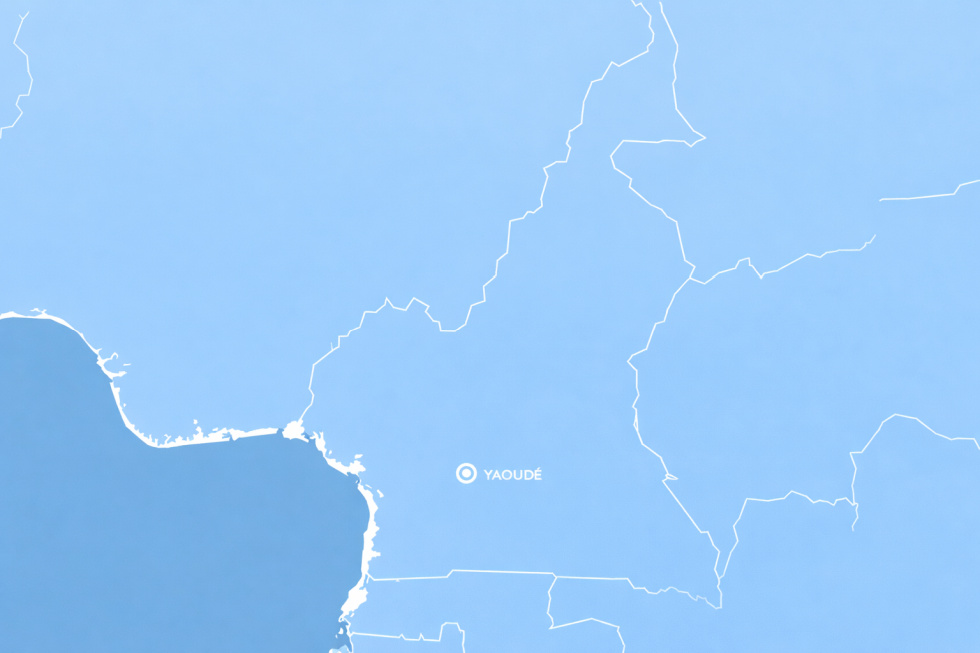 Map of Cameroon Highlighting Yaounde, the Capital City
If You Are Visiting Cameroon
Start here if you are planning a trip.
These pages help you understand:
- Where to go
- When to go
- What to expect
If You Want to Understand Life in Cameroon
If your goal is deeper understanding:
- → What Is Life Like in Cameroon
- → Daily Life in Cameroon Explained
- → Cameroon Culture and Society
- → Cameroon Explained
These explain how people actually live—not just what you see online.
If You Are Moving or Returning
This applies to diaspora and long-term stays.
- → Cost of Living in Cameroon
- → Housing in Cameroon Explained
- → Transport in Cameroon Explained
- → Infrastructure and Utilities in Cameroon
These help you prepare realistically.
If You Want to Do Business
Cameroon offers opportunities—but also requires understanding.
- → Doing Business in Cameroon Explained
- → Starting a Small Business in Cameroon
- → Informal Economy in Cameroon
- → Investment Risks in Cameroon
Start Here Cameroon Guide: If You Just Need Quick Facts
Useful for quick reference.
My Personal Experience
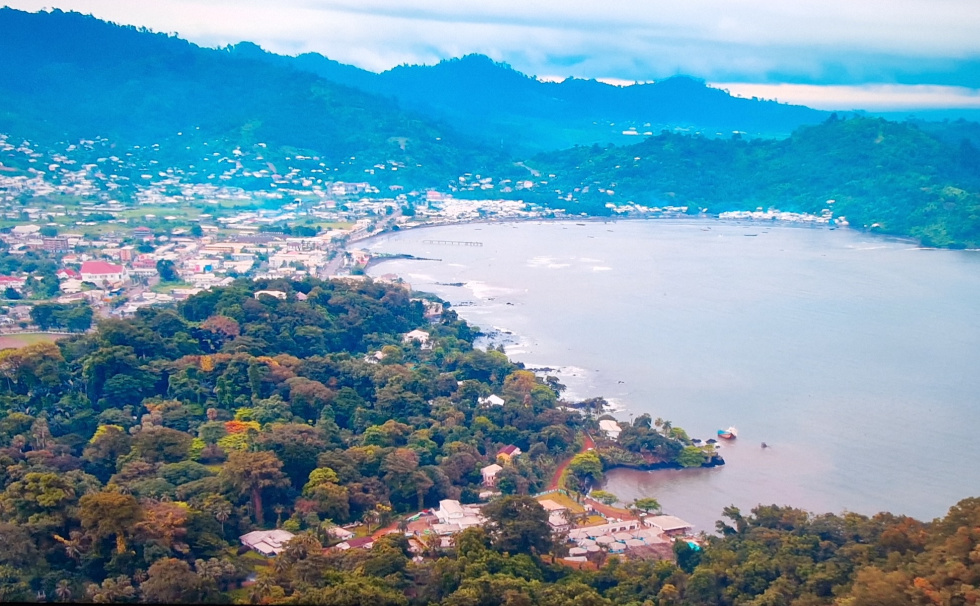
I have lived in Cameroon for over 30 years across cities, towns, and villages including Buea, Limbe, Douala, Yaoundé, Ngaoundal, Ngaoundéré, Kumba, and Dschang. Each of these places has its own environment, culture, and pace of life, and moving through them over time has given me a deeper understanding of how the country actually works.
From experience, Cameroon is not a place you fully understand in one visit, one article, or even one phase of life. It reveals itself gradually. What you see at first is often only the surface. The real understanding comes from observing how people live daily—how they move, how they work, how they interact, and how they adapt to changing conditions.
In coastal cities like Limbe and Douala, life feels energetic and fast-moving. There is constant activity, business, and social interaction. In places like Buea, the presence of Mount Cameroon influences the climate and creates a more balanced and comfortable environment. In towns like Dschang or Kumba, life becomes more community-centered, with stronger social connections and a slower pace.
Moving to northern areas like Ngaoundéré and Ngaoundal presents a different rhythm altogether—different climate, different lifestyle patterns, and different ways people organize daily life.
These differences taught me something important:
👉 There is no single “Cameroon experience.”
Instead, there are many realities, shaped by location, culture, and personal circumstances.
Over the years, I have seen how people navigate everyday challenges—whether it is transport, electricity, work, or business—and how they find practical ways to make life function. This ability to adapt is one of the strongest characteristics of life in Cameroon.
What matters most is not trying to force your expectations onto the environment, but learning how things work locally. Once you begin to understand that, everything becomes clearer and easier to navigate.
👉 What I have learned is simple:
Cameroon becomes easier to understand when you observe first, adapt second, and judge last.
This Start Here Cameroon Guide exists to help you begin that journey with the right perspective, so you are not confused, overwhelmed, or misled by incomplete information.
Why This Start Here Cameroon Guide Matters
Many people approach Cameroon with:
- incomplete information
- unrealistic expectations
- or confusion
This start here Cameroon guide removes that problem.
It gives you:
- structure
- clarity
- direction
So you don’t feel lost on the site—or in understanding the country.
External Resources
For more reliable information on Cameroon
What's New?
Recent Articles


-
Important Personalities in Cameroon: People Who Shaped a Nation
Aug 19, 26 01:22 PM
 Discover important personalities in Cameroon, from Rudolf Duala Manga Bell and Sultan Njoya to independence leaders, cultural icons, innovators and national heroes.
 -
Chief Asonganyi : The Bangwa Ruler Who Resisted German Colonial Rule
Aug 19, 26 01:20 PM
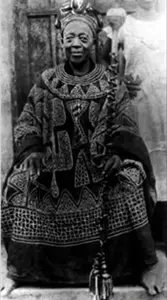 Chief Asonganyi was a powerful Bangwa ruler who resisted German colonial expansion, survived exile and returned to rule Lebang in Cameroon.
 -
King Rudolf Duala Manga Bell : The King Who Would Not Kneel
Aug 09, 26 10:46 PM
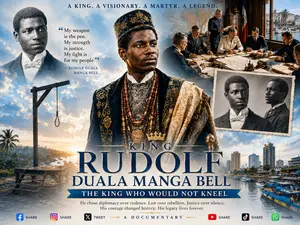 King Rudolf Duala Manga Bell defended Duala land and rights through law, petitions and peaceful resistance before his execution by German colonial authorities in 1914.
Stay Connected
Stay Connected
Get practical insights about Cameroon—travel, life, business, and updates.
Join the Conversation
👉 “What would you like to know about Cameroon?”
👉 “Share your experience or ask a question.”
Want to ask a Question about Cameroon?
Do you want to ask a question about Cameroon? Ask it here!
Final Direction
The start here Cameroon guide is your entry point into a much deeper platform.
Start with one section. Then explore further.
The more you read, the more Cameroon becomes clear—not as a concept, but as a real place with real people and real systems.