Cameroon Culture and Society — Explained Clearly
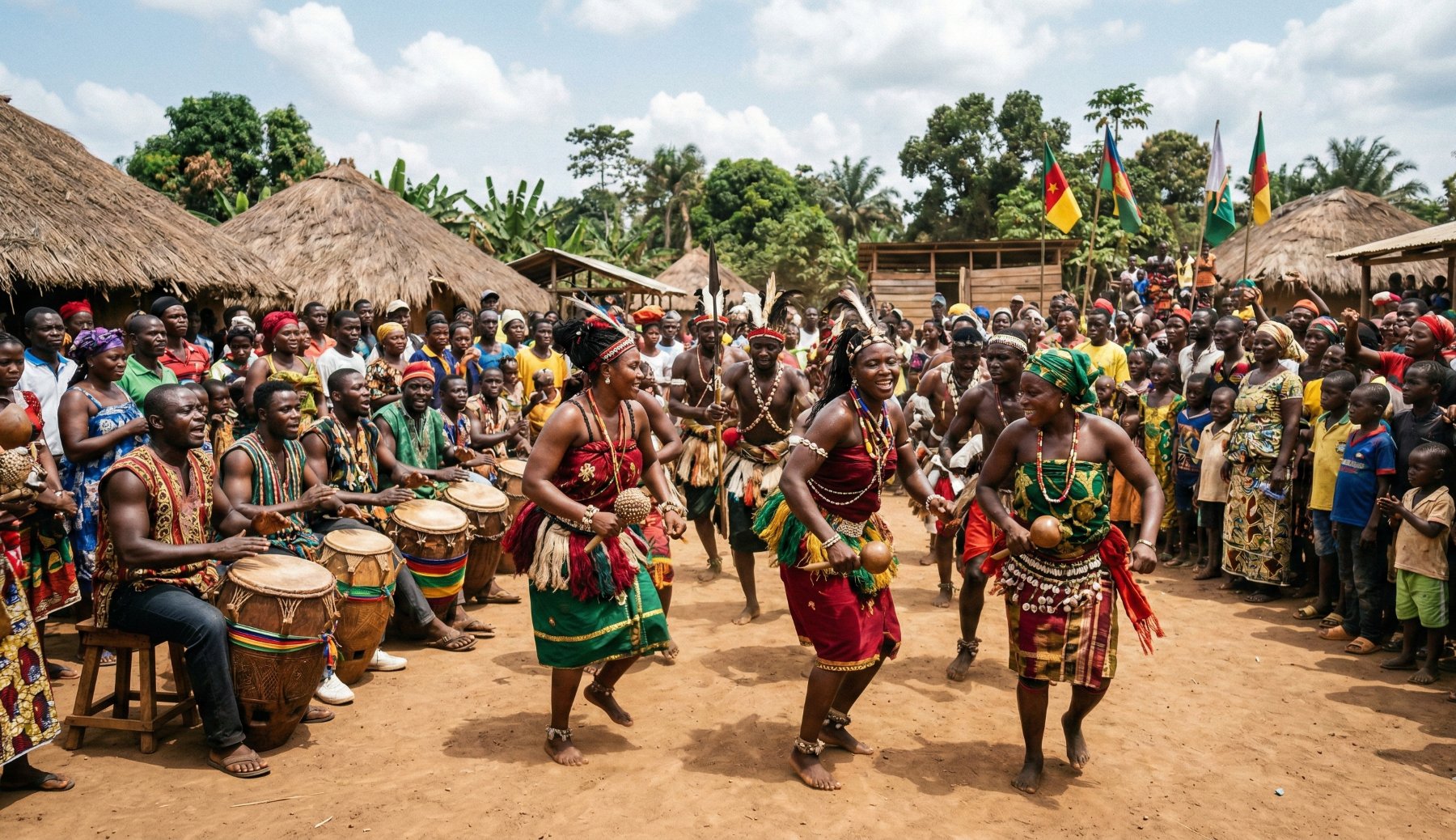
Cameroon culture and society are layered, diverse, and shaped by daily lived experience rather than performance or stereotype. Cameroon culture and society cannot be reduced to a single tradition, language, or belief system. They operate through regional identities, community structures, family expectations, religion, food traditions, and social responsibility.
Understanding Cameroon culture and society helps explain behaviour patterns, communication styles, marriage customs, respect systems, and how decisions are often made collectively rather than individually. This guide provides structured clarity beyond assumptions.
Core Topics Within Cameroon Culture and Society
To understand Cameroon culture and society in depth, explore the key themes below. Each article examines one major component of social structure and identity.
1️⃣ Cameroon’s Cultures Explained Simply
Why Cameroon cannot be understood as one culture—and how diversity actually works.
2️⃣ Religion, Belief, and Daily Life in Cameroon
How Christianity, Islam, traditional beliefs, and daily routines intersect.
3️⃣ Marriage, Family, and Social Expectations in Cameroon
What family means, how expectations form, and why pressure is often misunderstood.
4️⃣ Foods Every Cameroonian Abroad Misses
Why food is memory, identity, and emotional connection—not just taste.
Understanding Cameroon Culture and Society
To understand Cameroon culture and society, you must first understand diversity.
Cameroon is often described as “Africa in miniature” because of its geographic and cultural variety. Across regions, social expectations differ. What is normal in one city may feel unfamiliar in another.
Cultural variation can be seen in:
- Greeting styles
- Marriage negotiations
- Community authority systems
- Dress and ceremony
- Language use
- Food traditions
Cameroon culture and society are not uniform — they are regional systems operating under one national identity.
Diversity and Regional Identity
Regional identity plays a strong role in Cameroon culture and society.
Different regions have developed distinct traditions shaped by:
- Historical kingdoms
- Colonial influence
- Religion
- Migration patterns
- Geography
Urban centres like Douala and Yaoundé operate differently from smaller towns or rural communities. Highlands differ from coastal regions. Social norms shift subtly depending on context.
Understanding these regional dynamics prevents oversimplification.
For geographic context:
→ Cameroon Travel & Geography Guide
Religion, Belief & Daily Life in Cameroon
Religion is deeply integrated into Cameroon culture and society.
Christianity and Islam are widely practiced, alongside traditional belief systems that continue to influence community life. Religious institutions often play roles in:
- Marriage ceremonies
- Community support systems
- Conflict mediation
- Moral instruction
- Social gatherings
Faith is not always separate from social structure. In many communities, religion shapes daily rhythm and public life.
For broader cultural reference:
→ (UNESCO Intangible Cultural Heritage)
Family Structure and Social Responsibility
Family is central in Cameroon culture and society.
Family extends beyond parents and children. It often includes:
- Grandparents
- Cousins
- Extended relatives
- Community elders
Responsibilities may include:
- Financial support
- Participation in ceremonies
- Collective decision-making
- Care for elders
Individual independence exists, but collective responsibility remains strong.
Understanding this social framework helps diaspora members and foreigners avoid misinterpreting involvement as interference.
Marriage and Social Expectations
Family is central to Cameroon culture and society.
Marriage often involves:
- Extended family networks
- Community acknowledgment
- Financial responsibilities
- Social expectations
Individual decisions are often viewed through a collective lens.
This can surprise returnees and foreigners who are used to highly individualistic systems.
Respect and Communication
In Cameroon culture and society, respect may be expressed indirectly.
Examples include:
- Using titles rather than first names
- Avoiding direct confrontation
- Speaking cautiously with elders
- Public politeness even during disagreement
Understanding this reduces misunderstanding.
Food as Identity
Food is deeply emotional within Cameroon culture and society.
Meals represent:
- Regional pride
- Cultural continuity
- Diaspora connection
- Family memory
Many Cameroonians abroad reconnect with identity through traditional dishes.
Food is social glue.
Tradition and Modern Life
Cameroon culture and society are not frozen in time.
Urbanisation, migration, technology, and global exposure influence:
- Dress styles
- Social media use
- Gender expectations
- Professional aspirations
Tradition and modernity coexist. They negotiate rather than eliminate each other.
Social media has amplified cultural visibility while also reshaping expectations.
Urban vs Rural Social Differences
Urban environments often operate with:
- Faster pace
- Greater anonymity
- Mixed regional populations
Rural communities may operate with:
- Stronger communal oversight
- Traditional leadership structures
- Tighter family networks
Neither system is superior — they function differently within Cameroon culture and society.
Why Understanding Cameroon Culture and Society Matters
Many misunderstandings between:
- Diaspora and locals
- Foreigners and communities
- Younger and older generations
…come from misinterpreting cultural logic rather than bad intention.
Understanding Cameroon culture and society helps explain:
- Collective decision-making
- Strong family involvement
- Community accountability
- Indirect communication styles
Context reduces friction.
Who This Guide Is For
This guide on Cameroon culture and society is especially useful for:
- Diaspora planning return
- Foreign professionals
- Researchers
- NGO workers
- Students
- Investors
- Curious readers
Culture shapes economic behaviour, governance expectations, and social dynamics.
For broader national context:
→ Cameroon Quick Facts
→ Daily Life in Cameroon
→ Business & Survival Guide
Explore Related Sections
To understand how culture connects with other aspects of the country, explore:
→ Daily Life in Cameroon
→ Cities & Regions Guide
→ Travel & Geography Guide
→ Business & Survival Guide
→ Media & Safety Guide
Culture does not exist in isolation. It shapes and is shaped by geography, economy, and governance.
Culture Archive
You may also explore additional community discussions on:
• Traditional ceremonies
• Music and cultural expression
• Language and identity
• Urban vs rural differences
👉 Visit the Culture Archive
Free Guide
Understand Cameroon Beyond Stereotypes
Download our free guide covering:
- Culture
- Daily life
- Cost considerations
- Safety context
- Social expectations
Written for locals, diaspora, and foreigners seeking clarity.
📘 Get the Free Guide (Coming Soon)
Final Perspective
Cameroonian culture is not something to memorise.
It is something to observe, experience, and understand.
This section exists to make that understanding structured and accessible.
You can Also read Cameroon Culture
For travellers, understanding timing and safety is also important:
→ Best Time to Visit Cameroon
→ Is Cameroon Safe to Visit