Cameroon Travel Guide: Geography, Climate, Regions & Planning Essentials
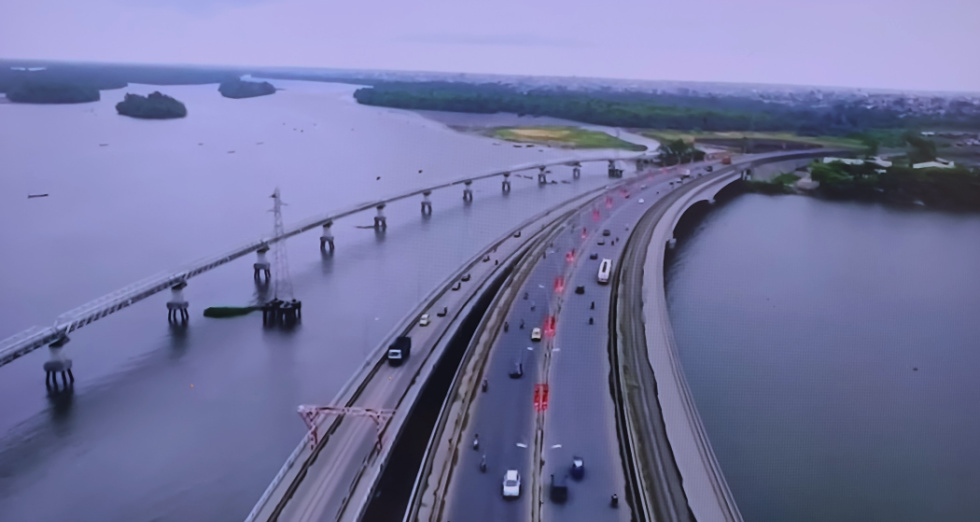 Cameroon Travel Guide -Bonaberi Bridge in Douala, Cameoon
This Cameroon travel guide is designed to help you understand how geography shapes travel, lifestyle, and movement across the country. Cameroon is often described as “Africa in miniature,” and this is not just a slogan—it reflects real geographic diversity that directly affects how you travel and experience the country.
Travel offers an extraordinary opportunity to engage with the country's rich history and wonderful cultural mix, presented through its wealth of attractions, simple and elite modes of transport and unparalleled hospitality.
From coastal cities to mountainous regions and from dense forests to open savannah, this Cameroon travel guide provides the structure you need to plan realistically and confidently.
Geographic Overview of Cameroon
One of the most important aspects of this Cameroon travel guide is understanding the country’s physical layout.
Cameroon includes:
- Atlantic coastline
- Volcanic mountains
- Tropical rainforest
- Highland plateaus
- Savannah regions
Each of these zones offers a completely different experience.
👉 This diversity is what makes travel both exciting and unpredictable.
Major Geographic Zones
Coastal Region
The coastal region is humid, vibrant, and economically active.
It includes:
- Port cities
- Beaches
- Fishing communities
Highland Regions
The highlands provide a cooler and more comfortable climate.
Characteristics include:
- Elevated terrain
- Agriculture
- Scenic landscapes
👉 Key cities: Buea, Bamenda, Bafoussam
Central Plateau
This region includes administrative and political centres.
Features:
- Rolling hills
- Moderate climate
- Government institutions
Climate and Weather Patterns
Understanding weather is essential in this Cameroon travel guide.
Cameroon has:
- Dry season
- Rainy season
However, patterns vary by region:
- Coastal areas: heavy rainfall
- Highlands: cooler temperatures
- Northern regions: hot and dry
👉 Travel is generally easier during the dry season.
For detailed planning:
→ Cameroon Weather Guide
Cameroon Travel Guide: Mountains and Natural Landmarks
A major highlight in this Cameroon travel guide is:
👉 Mount Cameroon
This is:
- One of the highest peaks in Central Africa
- A volcanic mountain
- A destination for hiking and adventure
Mountain travel requires preparation, but it offers one of the most rewarding experiences in the country.
Beaches and Coastal Travel
Cameroon’s coastline offers a unique travel experience.
You will find:
- Black sand beaches (Limbe)
- White sand beaches (Kribi)
- Fishing communities
- Oceanfront relaxation
👉 Coastal travel is ideal for relaxation and exploration.
For full details:
→ Cameroon Beaches Guide
Map and Regional Orientation
A key part of this Cameroon travel guide is understanding distance and layout.
A map helps you:
- Plan routes
- Estimate travel time
- Understand regional differences
👉 Distances may appear short but take longer due to terrain and road conditions.
See:
→ Cameroon Map Guide
Transportation and Movement
Travel within Cameroon involves:
- Road transport (most common)
- Domestic flights (limited but useful)
- Intercity buses
- Informal transport systems
👉 Travel time depends more on road conditions than distance.
Planning ahead is essential.
Safety and Context Awareness
Travel safety depends on:
- Region
- Timing
- Awareness
👉 Always verify local conditions before moving.
Avoid assumptions and rely on updated information.
Safety is a crucial aspect of Cameroon Travel.
With the integration of strict safety regulations and tourist-focused policies,
the Cameroon government has taken commendable steps to ensure the safety of tourists in recent years.
Safety tips include avoiding travelling at night, especially to isolated areas,
and maintaining a respectful and polite demeanor towards local customs and traditions.
Keeping these in mind, traveling in Cameroon can be a fulfilling and worry-free experience.
For guidance:
→ Is Cameroon Safe to Visit
→ Media & Safety Guide
Travel Planning Essentials
Before travelling, consider:
- Accommodation arrangements
- Transport planning
- Weather conditions
- Budget flexibility
👉 Expect variation. Cameroon does not operate with uniform systems.
My Personal Experience
From my experience living and moving across Cameroon for many years, I have learned that travel here is not just about distance—it is about adaptation.
For example:
- A short trip on the map can take hours due to road conditions
- Coastal areas like Limbe feel completely different from inland cities
- Buea offers a cooler and more comfortable climate due to Mount Cameroon
- Northern regions introduce a completely different environment and pace
👉 One key lesson stands out:
Travel in Cameroon becomes easier when you understand the geography first.
Those who plan based on structure enjoy a smoother experience.
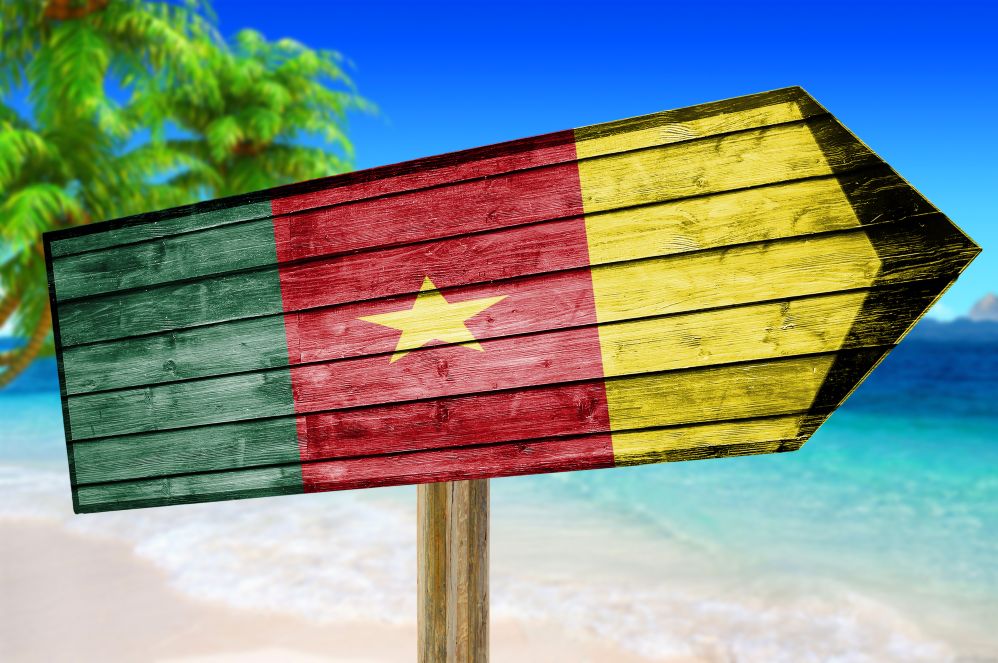 Colours of Cameroon - Green, red and yellow
Why This Travel Guide Matters
This Cameroon travel guide helps you:
- Avoid unrealistic expectations
- Plan effectively
- Understand regional differences
- Travel with more confidence
It connects geography with real-life movement and experience.
Share This Post
Stay Updated. Stay Connected
Stay Updated
Get practical insights on:
- Travel planning
- Best destinations
- Seasonal advice
- Safety updates
Explore More
- → Best Places to Visit in Cameroon
- → What Is Life Like in Cameroon
- → Cities & Regions Guide
- → Cost of Living in Cameroon
For External References, check out
Recent Articles


-
Important Personalities in Cameroon: People Who Shaped a Nation
Aug 19, 26 01:22 PM
 Discover important personalities in Cameroon, from Rudolf Duala Manga Bell and Sultan Njoya to independence leaders, cultural icons, innovators and national heroes.
 -
Chief Asonganyi : The Bangwa Ruler Who Resisted German Colonial Rule
Aug 19, 26 01:20 PM
 Chief Asonganyi was a powerful Bangwa ruler who resisted German colonial expansion, survived exile and returned to rule Lebang in Cameroon.
 -
King Rudolf Duala Manga Bell : The King Who Would Not Kneel
Aug 09, 26 10:46 PM
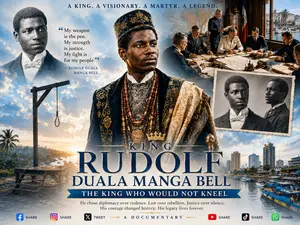 King Rudolf Duala Manga Bell defended Duala land and rights through law, petitions and peaceful resistance before his execution by German colonial authorities in 1914.
Final Perspective
This Cameroon travel guide shows that travel in Cameroon is shaped by geography, climate, and infrastructure.
Understanding these elements transforms travel from uncertain to manageable.
👉 Geography is not just background—it is the foundation of every experience.