Cameroon Weather and Climate Guide
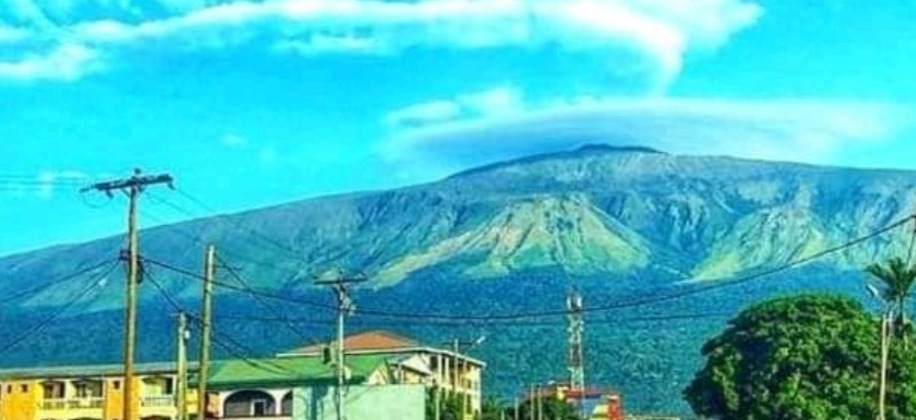 Mount Fako on a Sunny Day
Weather in Cameroon varies significantly by region. Cameroon weather and Climate Guide provides practical information covering climate zones, dry and rainy seasons, regional differences, and travel planning tips.
From humid coastal zones to cooler highlands and hotter northern plains, climate conditions change depending on geography, elevation, and season.
Understanding Cameroon’s weather patterns helps with travel planning, relocation decisions, and daily life expectations.
Overview of Climate Zones
Cameroon’s climate can be divided into three broad zones:
- Coastal & Southern Forest Zone
- Highland Zone
- Northern Savannah Zone
Each operates differently.
Coastal & Southern Forest Zone
Includes cities like:
- Douala
- Limbe
- Kribi
Characteristics:
- High humidity
- Heavy rainfall
- Warm temperatures year-round
- Long rainy seasons
Rainfall can be intense, especially between mid-year months.
Travel during peak rainy periods may involve:
- Flooded roads
- Slower movement
- Increased humidity discomfort
Highland Climate Zone
Includes cities such as:
- Buea
- Bamenda
- Bafoussam
Characteristics:
- Cooler evenings
- Lower humidity than coast
- Seasonal rainfall
- Mountain-influenced weather patterns
Elevation reduces heat intensity, but rainfall can still be heavy.
Mountain weather can change rapidly, especially near Mount Cameroon.
Northern Savannah Zone
Includes northern regions of the country.
Characteristics:
- Hotter temperatures
- Longer dry season
- Lower rainfall compared to coast
- Harmattan winds during dry season
Heat intensity can be significant during peak dry months.
Rainy Season in Cameroon
Rainy season timing varies by region but generally includes:
- Heavy downpours
- Increased humidity
- Slower transportation
- Occasional flooding in low-lying areas
The coast typically experiences more prolonged rainfall than inland regions.
Rain does not stop daily life — but it alters movement and planning.
Dry Season in Cameroon
Dry season typically offers:
- More stable road conditions
- Reduced humidity in many areas
- Clearer skies
- Easier travel planning
However, dry season can also mean:
- Higher temperatures in northern regions
- Dust from Harmattan winds
Cameroon Weather and Climate Guide: Temperature Expectations
Cameroon does not experience traditional winter and summer.
Instead, temperature depends on:
- Altitude
- Distance from coast
- Urban density
Coastal cities remain warm and humid most of the year.
Highland cities feel cooler, especially at night.
Weather & Travel Planning
When planning travel:
- Check regional rainfall patterns
- Consider road accessibility during rainy periods
- Prepare for humidity in coastal areas
- Dress for temperature changes in mountain regions
Travel experience differs significantly between Douala and Buea, for example.
For geographic context:
→ Cameroon Travel & Geography Guide
Weather & Daily Life
Weather affects:
- Transportation reliability
- Infrastructure strain
- Agricultural cycles
- Electricity stability in some areas
Understanding climate helps set realistic expectations.
For lifestyle context:
→ Daily Life in Cameroon
Safety & Weather Interaction
Heavy rainfall can influence:
- Road conditions
- Visibility
- Flood-prone areas
Plan conservatively and monitor local guidance.
For broader context:
→ Safety and Common Risks in Cameroon
Who Should Pay Attention to Weather
Cameroon Weather and Climate Guide is especially useful for:
- First-time visitors
- Diaspora planning seasonal visits
- Researchers
- Outdoor travellers
- Individuals relocating long-term
Climate awareness improves preparation.
My Personal Experience
From my experience growing up and living in Cameroon, I have experienced both the dry and rainy seasons in very real and practical ways.
Each season brings something different.
During the dry season, movement becomes easier. Roads are more accessible, the skies are clearer, and daily activities feel faster and more predictable. However, in many cities—especially in the northern regions and even parts of Douala—the heat can become intense, and the dust can be uncomfortable. Despite this, the dry season remains, in my opinion, the best time for travel. It is also the most vibrant period, especially in December, when events, celebrations, and social life peak across the country.
Most of my life has been spent in the southern part of Cameroon, particularly around Buea and Limbe. In Buea, the presence of Mount Cameroon naturally regulates the climate, making it one of the most comfortable places to live. The weather is cooler, and even during hotter periods elsewhere, Buea maintains a more balanced temperature.
Limbe, on the other hand, offers a completely different experience. The coastal weather is warmer and more humid, but the ocean atmosphere and beach life make it one of the most enjoyable places to spend time, especially during sunny days.
The rainy season has its own unique character. While I personally find the rains sometimes excessive—especially when roads become muddy and movement slows—it also brings freshness, greenery, and a different rhythm of life. The environment becomes more alive, and agricultural activity increases.
👉 One important lesson from my experience:
Weather in Cameroon is not just something you observe—it is something you adapt to.
Understanding how the seasons affect movement, comfort, and daily life will completely change how you plan your visit or stay.
Explore More
Explore More
For external resources:
The Importance of Weather Forecast in Cameroon
Cameroon Weather and Travel Guide was provided to guarantee your knowledge of Cameroon weather and climate. A knowledge of Cameroon weather forecast is very important. You may find yourself in a number of scenarios.
If you want to travel to Cameroon, it's important to know how the weather will affect you. Cameroonians use weather forecasts to:
- Protect life and property
- Plant, harvest and market agricultural products.
- Companies use it to estimate demand over coming days.
- Determine what to wear on a given day.
- Plan activities and events around rainfall, sunshine and windy conditions.
- plan events and trips indoors or outdoors.
Final Perspective
Cameroon’s weather is diverse and regionally distinct.
There is no single climate description that applies nationwide. Coastal humidity, highland coolness, and northern heat coexist within one country.
Understanding these patterns makes travel, relocation, and planning significantly smoother.
Clarity about climate reduces discomfort and surprise.
Share This page
Join the Journey - Stay Updated
Stay Updated
Get insights on:
Cameroon Travel Guide
Have A Great Story About This Topic?
Do you have a great story about this? Share it!
Mount Cameroon, Time in Cameroon, Cameroon Weather, Cameroon Flag, National Anthem of Cameroon, Cameroon Directory, Cameroon Beaches, Travel Cameroon, Cameroon Questions and Answers, Yaounde Cameroon, Cameroon Languages, Cameroon Food, Cameroon Currency, Where is Cameroon? Cameroon Pics Cameroon National Day Celebrations-Copenhagen Pics Constitution of Cameroon