Doing Business in Cameroon Explained – Practical Realities & Survival Strategies
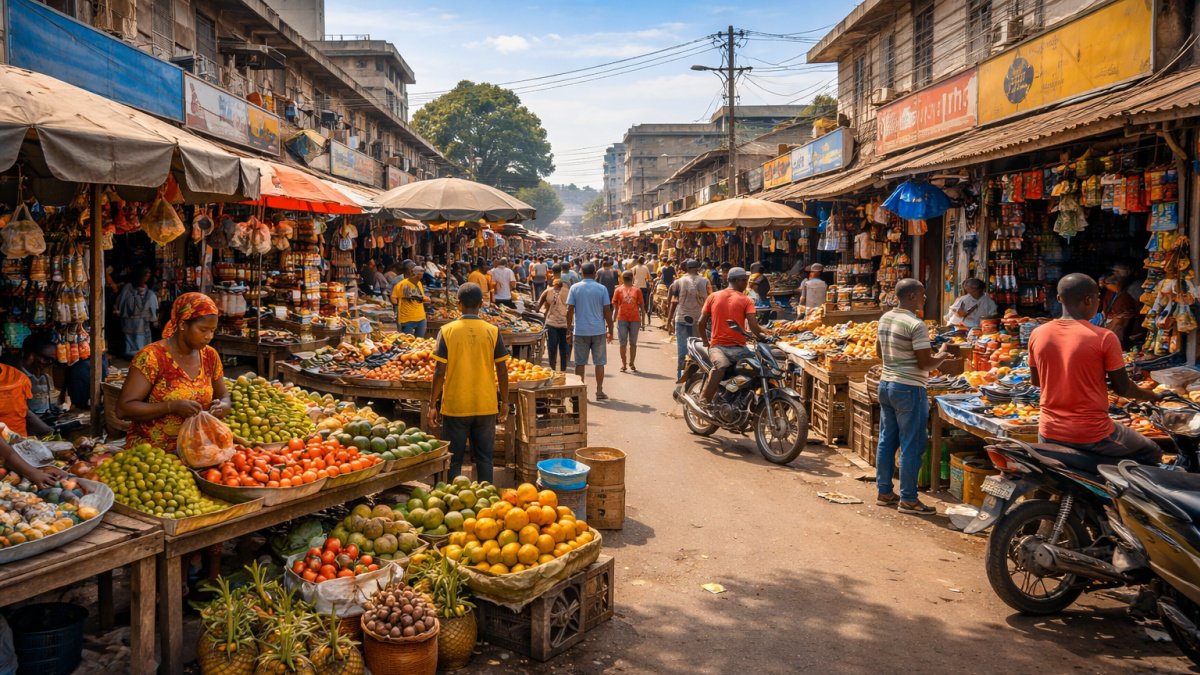
Doing business in Cameroon explained properly requires understanding that the economy operates on both formal and informal systems at the same time. Doing business in Cameroon explained is not only about company registration or investment law — it is about navigating bureaucracy, infrastructure gaps, social networks, and practical adaptation.
Whether you are:
- A local entrepreneur
- A diaspora returnee
- A foreign investor
- A small trader
You must understand how the system works on the ground.
This guide provides realistic, practical insight.
Understanding Doing Business in Cameroon Explained
When discussing doing business in Cameroon explained, we must consider:
- Formal sector businesses
- Informal market economy
- Regulatory environment
- Infrastructure limitations
- Social networking influence
The economy functions through a mixture of:
- Official procedures
- Personal connections
- Informal negotiation
- Adaptability
Understanding this hybrid system is key.
For daily context:
→ Daily Life in Cameroon Explained
The Informal Economy Is Powerful
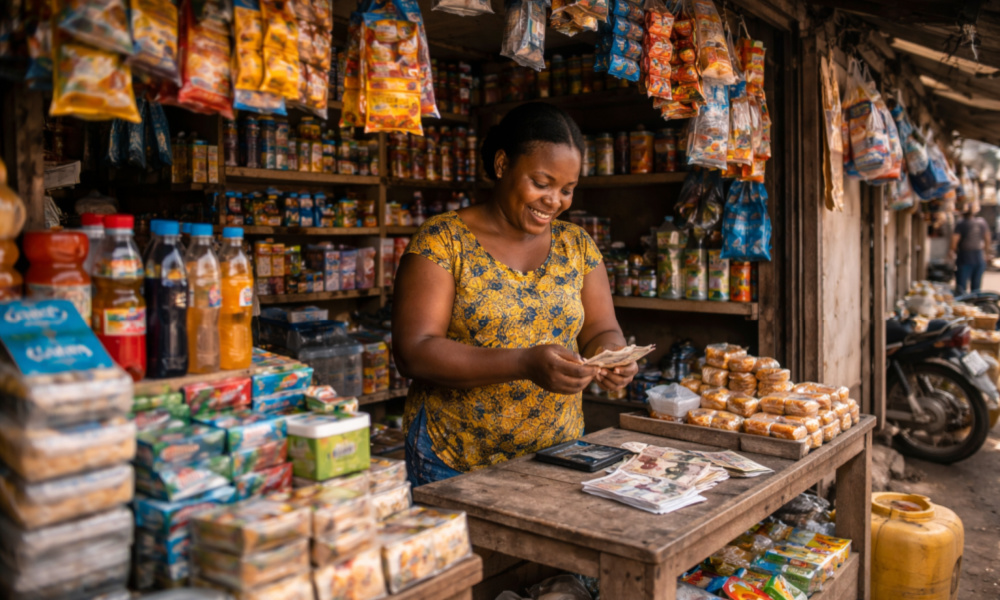
A significant portion of economic activity occurs informally.
Examples include:
- Street vendors selling fruit
- Market women trading vegetables
- Mobile phone repair kiosks
- Motorbike taxi operators
- Small roadside restaurants
A tomato seller in Douala may operate without formal registration but generate steady daily income.
A tailoring shop in Bafoussam may run entirely on word-of-mouth referrals.
This informal sector provides employment and resilience.
Understanding it is central to doing business in Cameroon explained.
Starting a Small Business
Starting small is common.
Practical examples:
- A provision store in a residential neighbourhood
- A hair salon serving a local community
- A small poultry farm
- A phone accessories kiosk
Common realities include:
- Capital constraints
- Unpredictable electricity
- Supply chain delays
- Regulatory steps that take time
Many entrepreneurs start lean and grow gradually.
For detailed structure:
→ Starting a Small Business in Cameroon Explained
Doing Business in Cameroon Explained - Bureaucracy and Registration
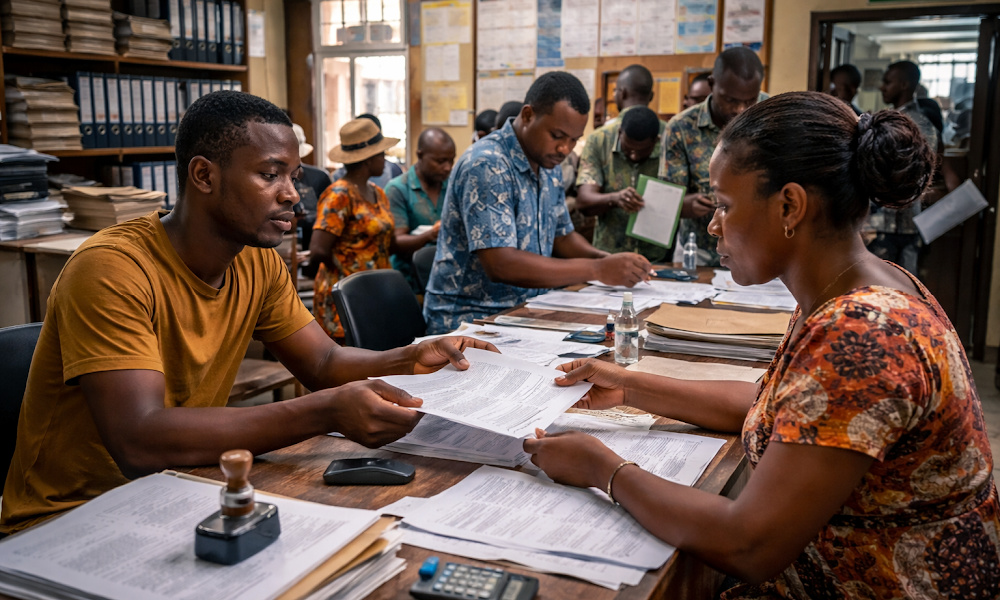 Administration plays an important role in business affairs in Cameroon
Formal registration may require:
- Business name verification
- Tax identification number
- Municipal documentation
- Licensing in regulated sectors
Procedures can take time and may require:
- Multiple office visits
- Patience
- Proper documentation
Diaspora investors sometimes underestimate the time involved.
Preparation reduces frustration.
For governance indicators:
Infrastructure and Business Adaptation
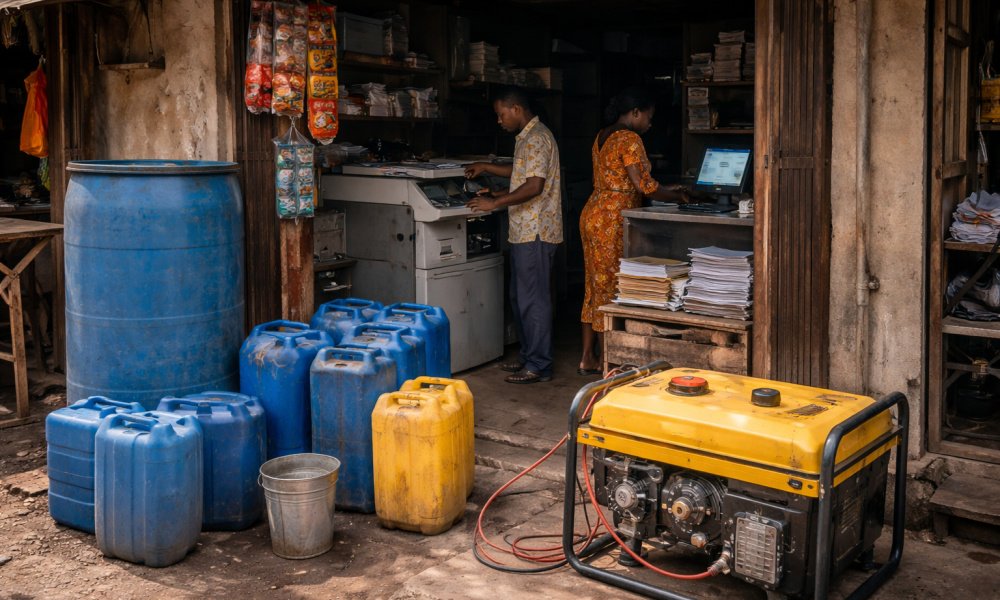
Infrastructure affects profitability.
Example:
A restaurant owner may budget for:
- Generator fuel
- Water storage
- Backup internet
A printing business may lose productivity during power interruptions.
Adaptation strategies include:
- Flexible operating hours
- Multiple supplier networks
- Cash flow buffers
For infrastructure context:
→ Infrastructure and Utilities in Cameroon Explained
Social Networks and Trust

Business in Cameroon often relies on relationships.
Examples:
- Supplier credit based on trust
- Referrals through church networks
- Family-based partnerships
- Community endorsement
Trust can influence:
- Access to contracts
- Credit flexibility
- Market expansion
Understanding social networks is critical.
For cultural context:
→ Cameroon Culture and Society
Employment and Labour Reality
Hiring may involve:
- Informal contracts
- Family referrals
- Trial periods
Labour laws exist, but small businesses may operate flexibly.
Employers must balance:
- Cost control
- Fair wages
- Productivity
High youth population creates both opportunity and competition.
Risks and Practical Challenges
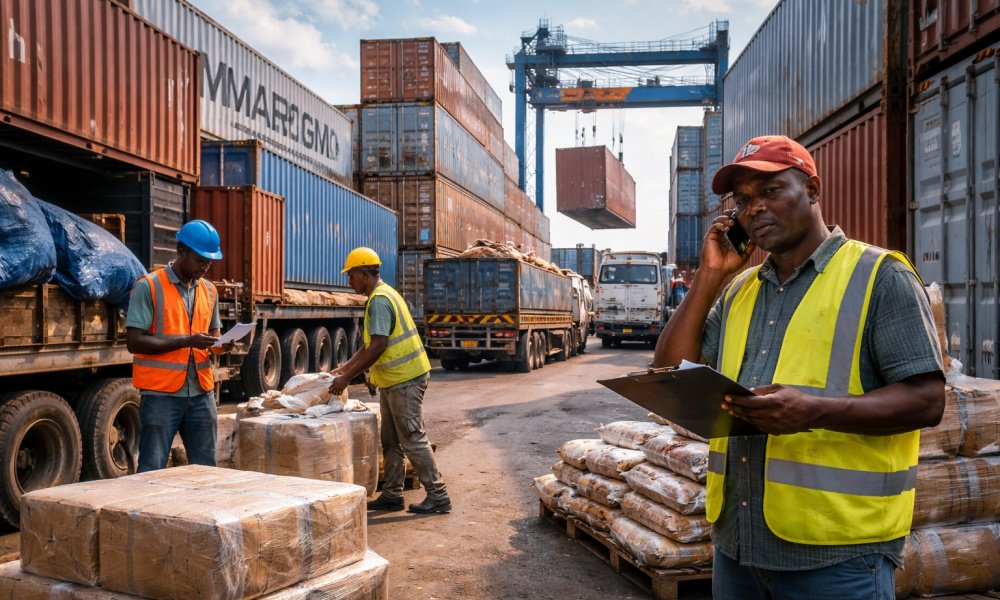
Doing business in Cameroon explained must include risk.
Common challenges include:
- Currency fluctuations
- Fuel price changes
- Road transport delays
- Regulatory uncertainty
Example:
An importer relying on goods through Douala port may face:
- Clearance delays
- Documentation complexity
- Unexpected storage costs
Risk assessment is essential.
Diaspora Investment Reality
Diaspora investors often enter sectors like:
- Real estate
- Agriculture
- Retail
- Transportation
Common mistakes include:
- Over-trusting relatives without oversight
- Underestimating management complexity
- Failing to monitor cash flow
Hands-on supervision improves outcomes.
For return context:
→ Diaspora & Return Guide
Urban vs Rural Business Differences
Urban business:
- Higher competition
- Larger customer base
- Higher operational cost
Rural business:
- Lower rent
- Smaller market
- Limited infrastructure
Both require strategic adaptation.
Common Misunderstandings
Common oversimplifications include:
- “Business is impossible.”
- “Everything runs on corruption.”
- “It’s easy money.”
Reality is more nuanced.
Doing business in Cameroon explained means recognising opportunity and constraint simultaneously.
Why Doing Business in Cameroon Explained Matters
Understanding doing business in Cameroon explained improves:
- Investment decisions
- Startup planning
- Risk management
- Diaspora return preparation
- Foreign investor expectations
Success requires:
- Patience
- Local knowledge
- Network building
- Financial discipline
External References
For business environment indicators:
Part of the Business & Survival Guide
This article on doing business in Cameroon explained is part of the broader Business & Survival section.
For deeper practical breakdowns:
→ Starting a Small Business in Cameroon Explained
→ Informal Economy in Cameroon Explained
→ Employment and Job Market in Cameroon Explained
→ Investment Risks in Cameroon Explained
→ How to Start a business in Cameroon
The above topics will subsequently be linked to their respective pages. Check again later.
My Personal Experience
Having spent many years observing and interacting with businesses across Cameroon, one thing becomes very clear: business here is deeply practical and relationship-driven.
From small roadside vendors to growing enterprises in cities like Douala, success often depends less on formal structures and more on consistency, trust, and understanding people.
I have seen businesses grow from very small beginnings — a single table, a small kiosk, or a tailoring machine — into stable sources of income over time.
At the same time, I have also seen businesses struggle, not because the opportunity was not there, but because expectations did not match reality.
👉 One lesson stands out:
In Cameroon, business success depends more on understanding people and systems than just having capital.
Final Perspective
Doing business in Cameroon explained reveals a system shaped by adaptation, resilience, and hybrid formal-informal structures.
Success is possible — but only with realistic expectations and practical strategy.
Understanding local dynamics is not optional; it is essential and extremely important for your survival as far as business in Cameroon is concerned.