Cameroon Safety and Media Guide: Travel Safety, Risks, News & Reality Explained
This cameroon safety and media guide provides a structured and honest understanding of safety, risks, and how Cameroon is perceived both locally and internationally.
Many people searching about Cameroon encounter conflicting information—some overly negative, others unrealistically positive. This guide brings balance by combining real-life experience, practical advice, and contextual understanding.
Safety in Cameroon is not absolute. It depends on location, timing, behaviour, and awareness.
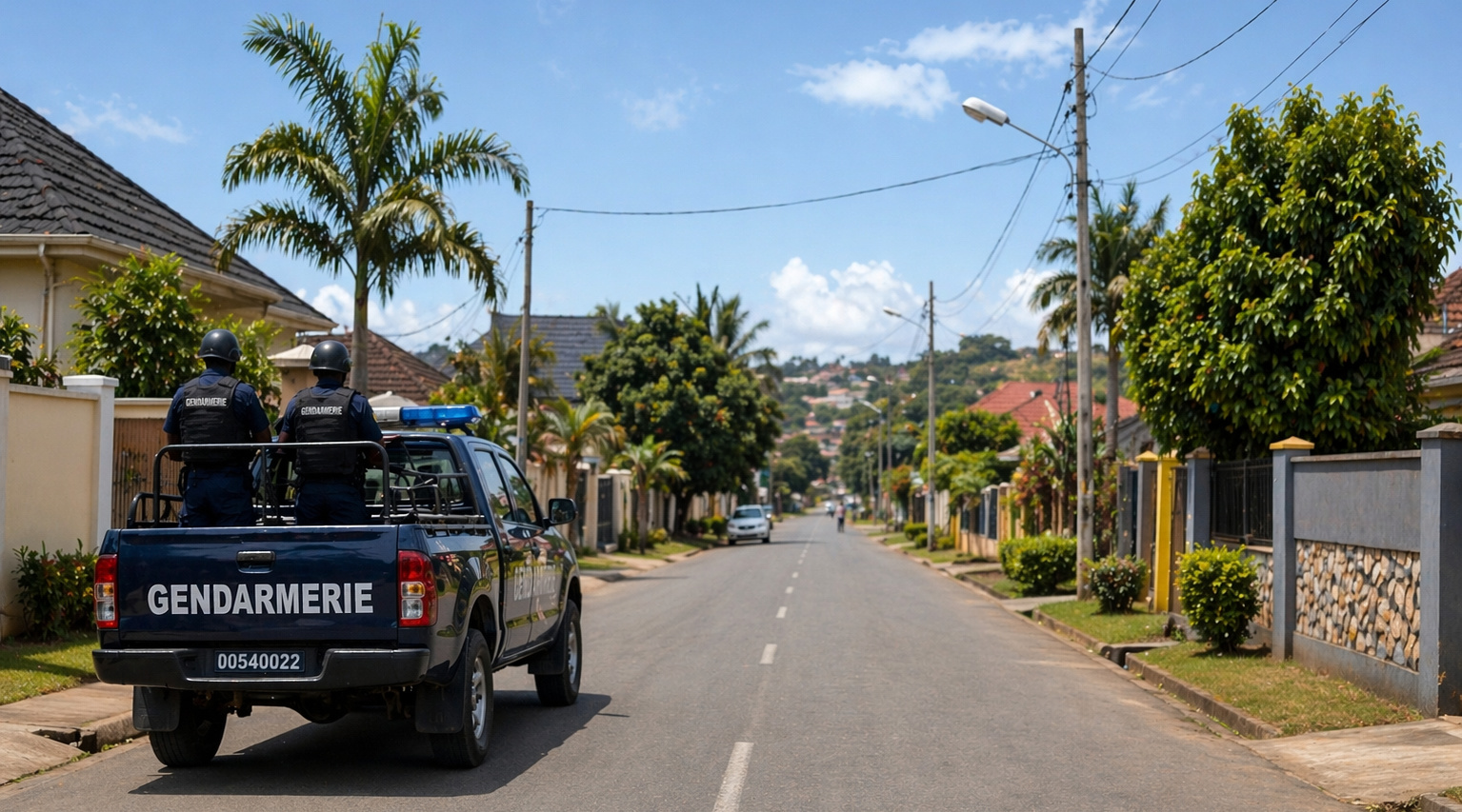
Understanding Safety in Cameroon
The most important thing to understand is:
👉 Cameroon is not uniformly safe or unsafe.
Instead, it operates in layers:
- Stable urban environments
- Regions requiring caution
- Areas with active security concerns
👉 Your experience depends on how you navigate these layers.
Safety vs Media Perception
One major issue addressed in this Cameroon safety and media guide is the gap between:
- Media portrayal
- Daily reality
International media often focuses on:
- Conflict zones
- Political tensions
- Security incidents
While these are real, they do not always reflect:
- Everyday life in major cities
- Normal routines of residents
- Stable environments across large parts of the country
👉 Understanding this difference prevents both fear and carelessness.
Core Safety Areas Covered in This Silo
This cameroon safety and media guide connects you to detailed pages:
1. Real Safety Conditions
→ Safety and Common Risks in Cameroon
This explains:
- Petty theft
- Transport risks
- Daily safety habits
2. Travel Safety Perspective
This focuses on:
- Visitors
- Travel planning
- Realistic expectations
3. Regional Context
Safety varies significantly by region.
4. Daily Life Reality
→ What Is Life Like in Cameroon
Understanding daily life helps you understand safety.
5. Safety and Travel Warnings Decoding
→ Cameroon Travel Warnings Explained
This focuses on:
- Visitors
- Travel planning
- Realistic expectations
Common Scams in Cameroon Guide
This focuses on:
- Visitors
- Locals
- Travel planning
- Realistic expectations
Common Misunderstandings About Safety
This cameroon safety and media guide corrects common misconceptions.
Misconception 1: “The whole country is unsafe”
Reality:
- Many areas function normally
- Millions live daily life without incident
Misconception 2: “There are no risks”
Reality:
- Risks exist
- Awareness is required
Misconception 3: “Visitors cannot travel safely”
Reality:
- Visitors can travel safely with planning
- Poor planning increases risk
Practical Safety Framework
Instead of general advice, use this simple framework:
1. Location Awareness
Know where you are going.
2. Time Awareness
Avoid unnecessary night movement.
3. Behaviour Awareness
Stay calm, observant, and respectful.
4. Information Awareness
Stay updated through reliable sources.
👉 This framework works better than generic warnings.
Alternatives and Safer Approaches
If unsure, you can still experience Cameroon safely by:
- Focusing on stable cities
- Using trusted accommodation
- Moving with local guidance
- Avoiding high-risk regions
👉 Safety is often about how, not whether, you travel.
The 2026 Media and Digital Landscape
Communication in Cameroon has leaped forward, but it is accompanied by a complex regulatory environment. This section of our Cameroon Safety and Media Guide ensures you don't find yourself "offline" when you need it most.
Internet Connectivity and 5G Rollout
As of 2026, Camtel, MTN, and Orange have stabilized 5G networks in Douala, Yaoundé, and Ngaoundere.
Navigating Local Information
- SIM Registration: You must register your SIM card with a valid passport. It takes about 2 hours for activation.
- Internet Shutdowns: During the 2025 elections, "digital blackouts" were recorded. It is highly recommended to have a Premium VPN (like ExpressVPN or NordVPN) installed on your devices before you arrive. This ensures that if social media is throttled during high-profile events, you can still reach your family via encrypted messaging.
Cameroon has over 600 newspapers and 200 radio stations, but they are often polarized.
- Official Sources: Use CRTV for government announcements and official holidays.
- Independent Voices: Outlets like The Guardian Post or Equinoxe TV provide alternative views but be aware that reporting on "national security" is strictly monitored under the new 2026 National Council for Media Regulation (CNRM) laws.
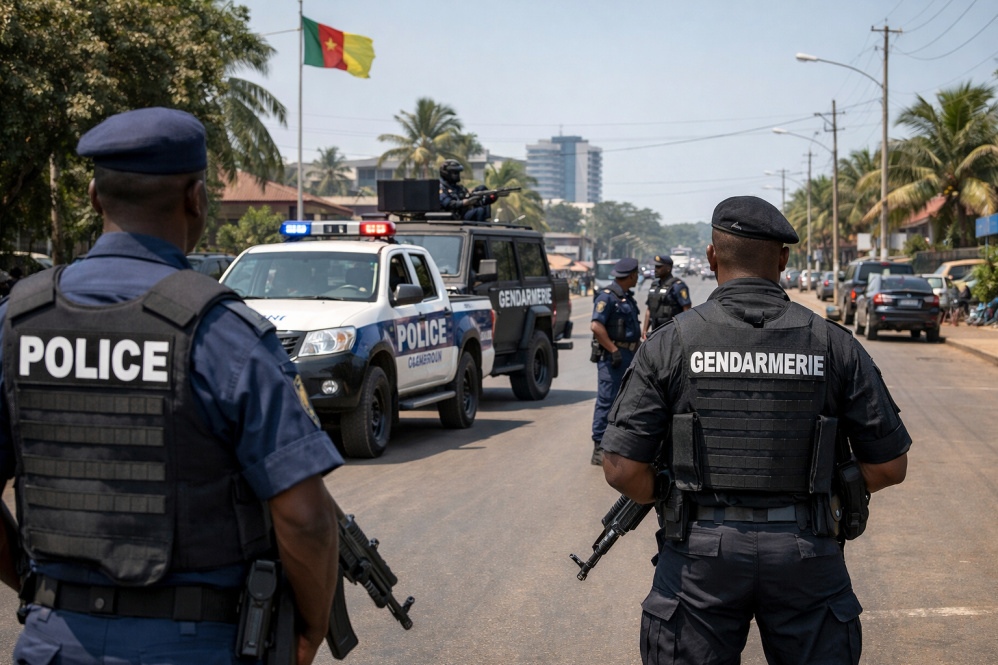
My Personal Experience
When I first launched this site over a decade ago, the definition of "safety" was simple: it meant knowing which taxi drivers to trust and which neighborhoods to avoid after dark. Today, the landscape has grown undeniably more complex, yet the fundamental spirit of security in the Motherland remains unchanged. Having lived across the diverse tapestry of Cameroon for over thirty years—from the sprawling urban centers to the quietest remote villages—I have seen both sides of the safety discussion.
My journey has taught me a truth that no travel insurance policy can provide: In Cameroon, relationships are your real armor. I remember a pivotal moment when my car broke down near the Vina Falls. The sun was dipping below the horizon—a classic "safety no-no" for any traveler. Instead of giving in to panic, I relied on what I call the "Patience and Respect" rule. Rather than focusing on the machine, I focused on the people. By approaching the local village head first with humility, I wasn't just found a mechanic; I was granted a sanctuary. In the North, especially in places like Ngaoundere, a "warm" handshake and a polite greeting to an elder or a Lamido’s guard is worth more than a dozen high-tech security locks.
Throughout these three decades, I’ve observed that daily life for the vast majority is normal, predictable, and manageable. The dividing line between a smooth experience and a challenging one has always been awareness.
People who take the time to understand their environment, listen to local advice, and move with intentionality tend to find a country that is welcoming and vibrant. Conversely, those who ignore the local context or move with the "arrogant tourist" mindset often face avoidable hurdles.
My final insight for you is this: Cameroon is not "dangerous" by default. It only becomes difficult when it is misunderstood. If you choose to walk as a "respectful guest" rather than an outsider, you unlock a level of security that gates and guards can never provide. Understanding the environment isn't just a safety tip—it’s the key to the heart of the country.
Who This Guide Is For?
This cameroon safety and media guide helps:
- First-time visitors
- Diaspora returning home
- Foreign professionals
- Researchers
Why This Guide Matters
This page is important because it:
- Replaces fear with clarity
- Replaces assumptions with structure
- Helps people make informed decisions
Share This Page
Join the Journey
Stay Updated
Get updates on:
- Safety
- Travel conditions
- Living in Cameroon
Cameroon Safety and Media Guide: Explore More
Explore More
- → Safety and Common Risks in Cameroon
- → Is Cameroon Safe to Visit
- → Cameroon Travel Guide
- → Cities & Regions Guide
For External References, see
Final Perspective
This cameroon safety and media guide shows that safety is not about extremes.
It is about:
- Understanding context
- Making informed choices
- Moving with awareness
👉 With the right approach, Cameroon becomes manageable, accessible, and meaningful.