Is Cameroon Safe to Visit – Safety Guide, Risks & Travel Advice
Is Cameroon safe to visit is one of the most common questions asked by travellers, diaspora, and researchers. The answer is not a simple yes or no. Is Cameroon safe to visit depends largely on where you go, when you travel, and how you move within the country.
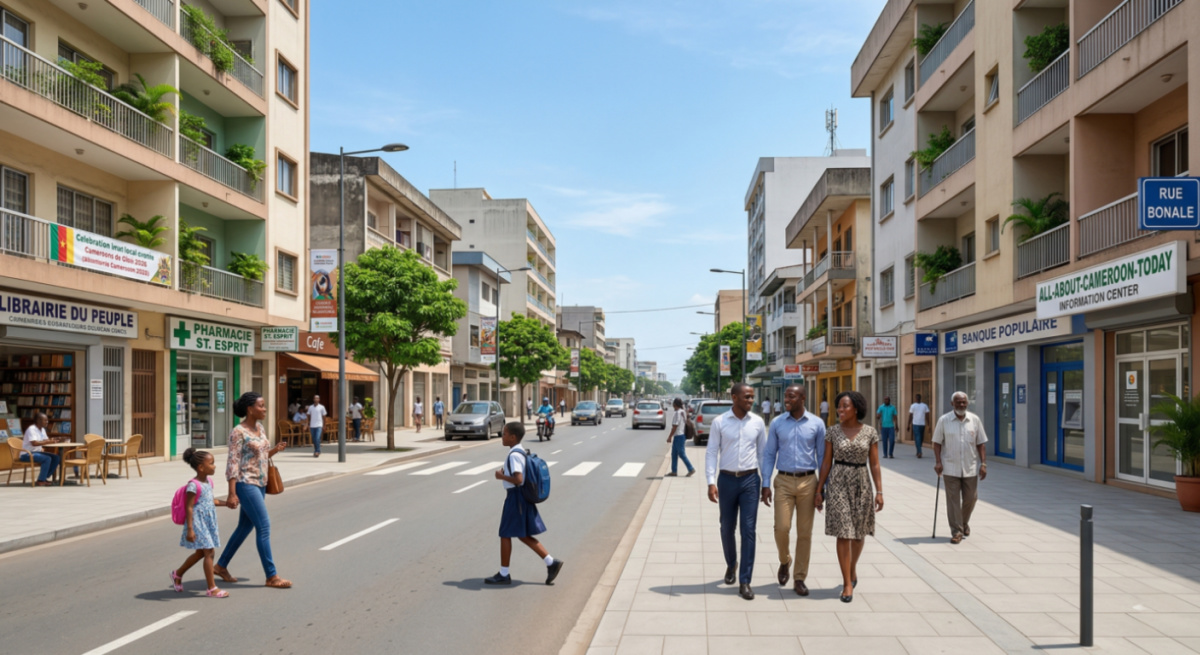 A clean urban environment illustrating safe areas in Cameroon
Cameroon is a large and diverse country with regions that are stable and others that face security challenges. Many people live, work, and travel daily without issues in major cities, while some areas require caution or should be avoided.
This guide provides a clear and realistic breakdown.
Understanding Is Cameroon Safe to Visit
When asking is Cameroon safe to visit, it is important to understand that safety varies by region.
Cameroon can be broadly divided into:
- Relatively stable urban centres
- Regions with security concerns
- Areas requiring extra caution
Travelling safely depends on knowing the difference.
For broader daily context:
→ Daily Life in Cameroon Explained
Safe and Relatively Stable Areas
Major cities such as:
- Douala
- Yaoundé
- Bafoussam
…are generally active, populated, and function normally during the day.
In these areas:
- Businesses operate daily
- Transport systems function
- Hotels and restaurants are open
- People go about normal life
Visitors who follow basic safety precautions can move around with relative confidence.
Regions with Security Challenges
Some regions of Cameroon face ongoing security issues and should be approached with caution or avoided.
Far North Region
This area has experienced attacks linked to Boko Haram.
Risks include:
- Cross-border insecurity
- Isolated attacks in certain zones
Travel here is generally not recommended without official guidance
North-West and South-West Regions
These regions have been affected by the Anglophone crisis.
Challenges include:
- Armed conflict in some areas
- Roadblocks and movement restrictions
- Unpredictable local situations
Travel to these regions is currently considered high risk.
Petty Crime and Urban Safety
In major cities, the most common risks are similar to many developing urban environments.
These include:
- Pickpocketing
- Bag snatching
- Opportunistic theft
Situations to be cautious about:
- Crowded markets
- Late-night isolated streets
- Carrying visible valuables
Basic awareness significantly reduces risk.
Transport and Movement Safety
Movement plays a major role in safety.
Tips include:
- Use trusted taxis or hotel-arranged transport
- Avoid night travel in unfamiliar areas
- Be cautious with motorbike taxis in busy zones
- Plan routes ahead of time
For transport context:
→ Transport in Cameroon Explained
Cultural Awareness and Behaviour
Understanding local culture improves safety.
For example:
- Respectful behaviour reduces conflict
- Avoiding sensitive political discussions in public
- Dressing appropriately in certain areas
Social awareness helps avoid unnecessary attention.
For cultural context:
→ Cameroon Culture and Society
Travel Tips for Staying Safe
Practical safety tips:
- Keep copies of important documents
- Avoid displaying expensive items
- Stay in well-reviewed accommodation
- Inform someone of your movements
- Follow local advice
Preparation makes a big difference.
Urban vs Rural Safety Differences
Urban areas:
- More activity
- More services
- Higher petty crime risk
Rural areas:
- Lower crime in some communities
- Limited infrastructure
- Greater isolation
Safety depends on context.
Common Misunderstandings
Common myths include:
- “The entire country is unsafe”
- “There are no risks at all”
Reality:
Cameroon has both safe and sensitive areas, like many countries.
Balanced understanding is essential.
Why Understanding Safety in Cameroon Matters
Understanding is Cameroon safe to visit helps:
- Travellers plan responsibly
- Diaspora return with awareness
- Researchers prepare properly
- Visitors avoid high-risk areas
Accurate information prevents both fear and carelessness.
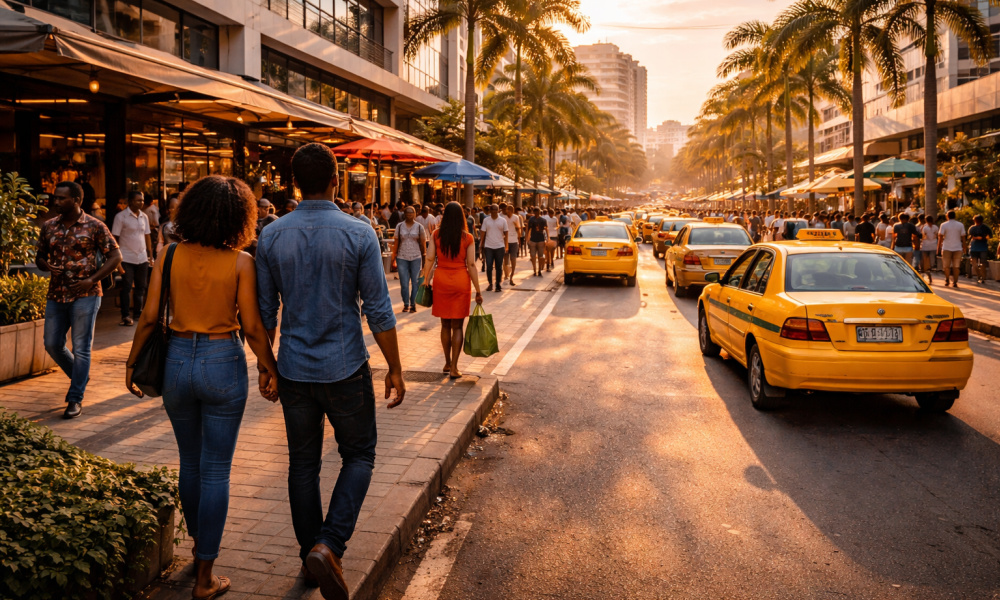 Cameroon City Life
Reference
For official travel advisory updates:
Check your government travel advisory websites.
(Example: UK FCDO, US State Department, etc.)
US Department of State on Cameroon
My Personal Experience Living in Cameroon
From personal experience, safety in Cameroon is best understood through daily life, not headlines.
I have lived in Cameroon for over 30 years, across different regions, towns, and cities including Buea, Limbe, Douala, Yaoundé, Ngaoundal, Ngaoundéré, Kumba, and Dschang. These places are different in culture, pace, and environment, but one thing has remained consistent: everyday life continues, and people go about their routines.
In all these years, my experience has been relatively safe, with no incidents to regret.
That does not mean there are no risks. Like many countries, Cameroon requires awareness. But from lived experience, safety often comes down to something very practical:
👉 Knowing where to go, when to go, and how to move.
For example:
- Moving freely during the day in active areas is generally normal
- Being in unfamiliar or isolated places late at night increases risk
- Understanding local advice can prevent unnecessary problems
In many cases, people find themselves vulnerable not because the entire environment is unsafe, but because they are in the wrong place at the wrong time.
This is something locals understand instinctively. Visitors who take time to observe, ask questions, and move carefully tend to have a much smoother experience.
There is also something important that is often overlooked:
Cameroonian communities are generally social and observant. People notice what is happening around them. In many neighbourhoods, this creates a level of informal awareness that can actually contribute to everyday safety.
From experience, Cameroon is not a place to move blindly — but it is also not a place to fear unnecessarily.
With awareness, respect for local realities, and practical decision-making, it is possible to navigate the country safely and confidently.
👉 For a deeper understanding of how people live day-to-day:
→ Daily Life in Cameroon Explained
Final Perspective
Is Cameroon safe to visit is a valid and important question.
The answer depends on:
- Location
- Awareness
- Preparation
Many areas are active and safe for daily life, while others require caution or avoidance.
With proper planning and informed decisions, travel can be managed responsibly.