Cameroon Facts Guide: Time, Currency, Flag, Government & Basics
Cameroon facts are often searched by students, travellers, researchers, and members of the diaspora looking for clear and reliable information. Cameroon Facts Guide brings together essential Cameroon facts in one structured guide, making it easier to understand the country without jumping across multiple sources.
While these Cameroon facts provide a useful overview, they are best understood alongside real-life context, which you will find throughout the site.
Location & Geographic Overview
Cameroon is located in Central Africa and has access to the Atlantic Ocean.
It is often described as “Africa in miniature” because of its geographic diversity.
The country includes:
- Coastal regions (Limbe, Kribi)
- Mountain zones (Mount Cameroon, Buea)
- Western highlands (Bafoussam, Dschang)
- Savannah regions in the north
This diversity influences climate, culture, and lifestyle across the country.
For deeper understanding:
→ Cameroon Map Guide
→ Travel & Geography Guide
→ Cameroon Questions and Answers
Time in Cameroon
One of the key Cameroon facts to know is the country’s time system.
Cameroon operates on:
- West Africa Time (WAT)
- UTC +1
There is no daylight saving time, meaning time remains stable throughout the year.
This makes planning easier for international travel, but it is always advisable to check time differences relative to your country.
Currency in Cameroon
Another important aspect of Cameroon facts is the national currency.
Cameroon uses:
👉 Central African CFA franc (XAF)
Key points:
- Cash is widely used
- Card payments are growing but not universal
- Exchange rates may vary
- Mobile money is increasingly popular
Understanding how money works is essential for visitors and residents.
For deeper financial context:
→ Cameroon Currency Guide
→ Cost of Living in Cameroon
Cameroon Flag Meaning
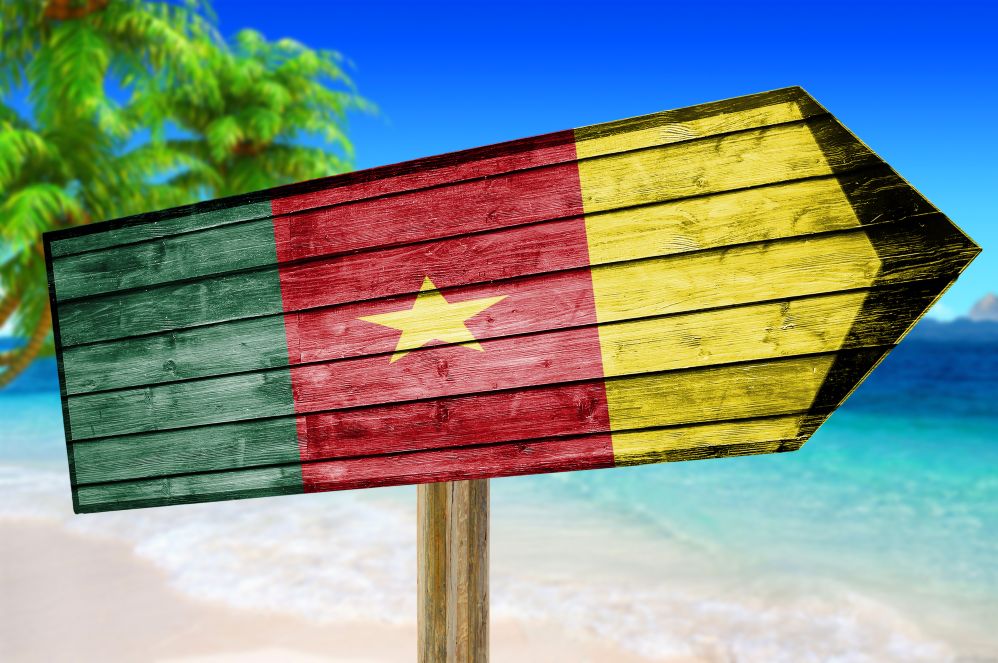
The national flag is one of the most recognisable Cameroon facts.
It consists of:
- Green
- Red
- Yellow
- A central yellow star
Symbolism:
- Green represents the forest regions
- Yellow represents the northern savannah
- Red symbolises unity
- The central star represents national unity
Cameroon Facts Guide: Government Structure
Cameroon is a republic with a structured political system.
It includes:
- A President
- A Prime Minister
- A National Assembly
- Administrative regions
These institutions shape governance, law, and policy.
For official overview:
Languages Spoken
Among key Cameroon facts is its linguistic diversity.
Official languages:
- English
- French
In addition:
- Hundreds of local languages are spoken
- Language use varies by region
This bilingual structure affects education, administration, and daily communication.
Population & Major Cities
Understanding cities is essential when looking at Cameroon facts.
Major urban centres include:
- Douala (economic hub)
- Yaoundé (capital city)
- Buea
- Bamenda
- Bafoussam
Each city has its own identity, pace, and opportunities.
For deeper insight:
→ Cities & Regions Guide
Regions of Cameroon
Cameroon is divided into administrative regions.
Each region differs in:
- Climate
- Culture
- Economic activity
- Population density
Regional differences are important when considering travel, living, or business.
Quick Cultural Notes
Cameroon facts are incomplete without culture.
The country is:
- Community-oriented
- Relationship-driven
- Adaptation-based
Social interaction, family systems, and cultural expectations play a major role in daily life.
For deeper understanding:
→ Cameroon Culture and Society
My Personal Experience
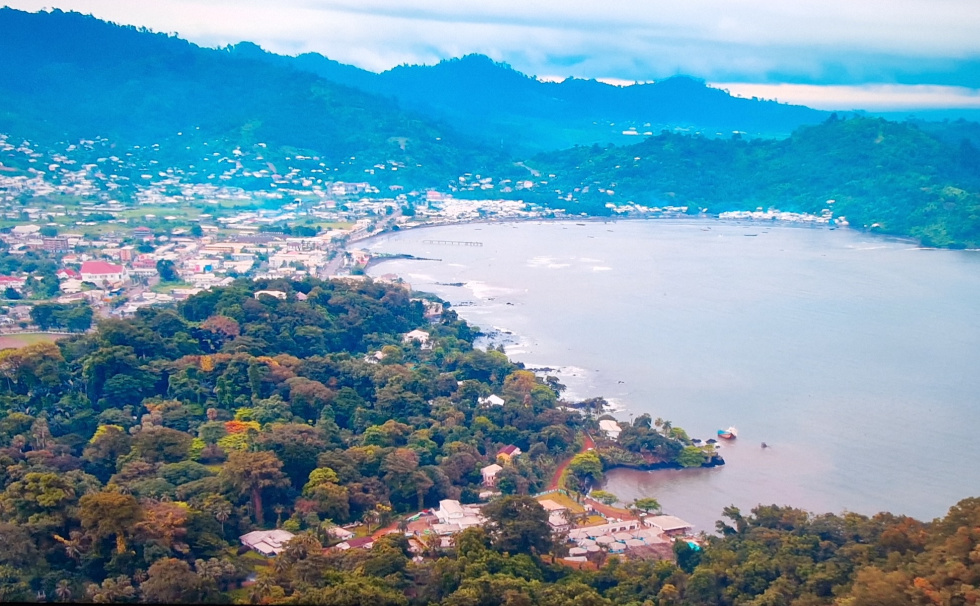 The City of Limbe is a coastal city and one of the most visited cities in Cameroon.
Having lived in Cameroon for over 30 years across different cities, towns, and regions, I have come to understand that Cameroon facts alone do not fully explain the country.
I have lived in places like Buea, Limbe, Douala, Yaoundé, Ngaoundal, Ngaoundéré, Kumba, and Dschang. Each of these locations reflects a different aspect of Cameroon’s reality.
From experience, facts such as currency, time zone, or government structure provide useful orientation. But real understanding comes from observing how people live, interact, and adapt daily.
For example:
- The same currency may be used differently in different regions
- Language use may shift depending on location
- Lifestyle varies between cities and smaller towns
👉 One important lesson stands out:
Cameroon is best understood through both facts and lived experience.
This is why this site combines structured information with practical insight. Cameroon Facts Guide is thus very important.
Why These Cameroon Facts Matter
These Cameroon facts help:
- Students learning about the country
- Travellers planning visits
- Diaspora reconnecting
- Researchers gathering information
- Business planners assessing the environment
However, facts alone are not enough.
Explore Further
Explore Further
- → What Is Life Like in Cameroon
- → Is Cameroon Safe to Visit
- → Best Time to Visit Cameroon
- → Daily Life in Cameroon Explained
- → Cameroon Flag Meaning and History
- → Cameroon Constitution and Government Structure
Stay Connected
Stay Connected
Get practical insights about Cameroon—travel, life, business, and updates.
Join the Conversation
👉 “What would you like to know about Cameroon?”
👉 “Share your experience or ask a question.”
Want to ask a Question about Cameroon?
Do you want to ask a question about Cameroon? Ask it here!
Recent Articles


-
Important Personalities in Cameroon: People Who Shaped a Nation
Aug 19, 26 01:22 PM
 Discover important personalities in Cameroon, from Rudolf Duala Manga Bell and Sultan Njoya to independence leaders, cultural icons, innovators and national heroes.
 -
Chief Asonganyi : The Bangwa Ruler Who Resisted German Colonial Rule
Aug 19, 26 01:20 PM
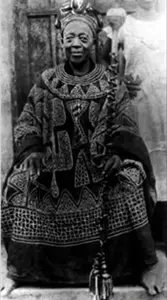 Chief Asonganyi was a powerful Bangwa ruler who resisted German colonial expansion, survived exile and returned to rule Lebang in Cameroon.
 -
King Rudolf Duala Manga Bell : The King Who Would Not Kneel
Aug 09, 26 10:46 PM
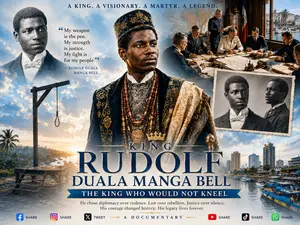 King Rudolf Duala Manga Bell defended Duala land and rights through law, petitions and peaceful resistance before his execution by German colonial authorities in 1914.
Final Perspective
Cameroon facts provide a starting point.
They help you understand structure, systems, and basic information.
But real understanding comes from going beyond facts—into daily life, culture, and lived experience.
Use this page as your reference, then explore deeper guides to see the full picture.