Common Scams in Cameroon: How They Work & How to Avoid Them
This common scams in cameroon guide explains the most frequent scams you may encounter, how they actually work, and how to avoid them in practical terms.
Cameroon is not uniquely scam-heavy, but like many countries with a strong informal economy, negotiation, pricing variation, and opportunistic behaviour are part of daily life.
👉 The goal is not fear—but awareness.
Understanding Scams in Cameroon
Before listing scams, understand this key difference:
👉 Not every overcharge is a scam.
Some situations are:
- Negotiation-based pricing
- Informal pricing systems
- Genuine misunderstandings
However, some are clearly intentional scams.
Types of Scams
Part 1: The Modern Hustle: Digital and Financial Scams
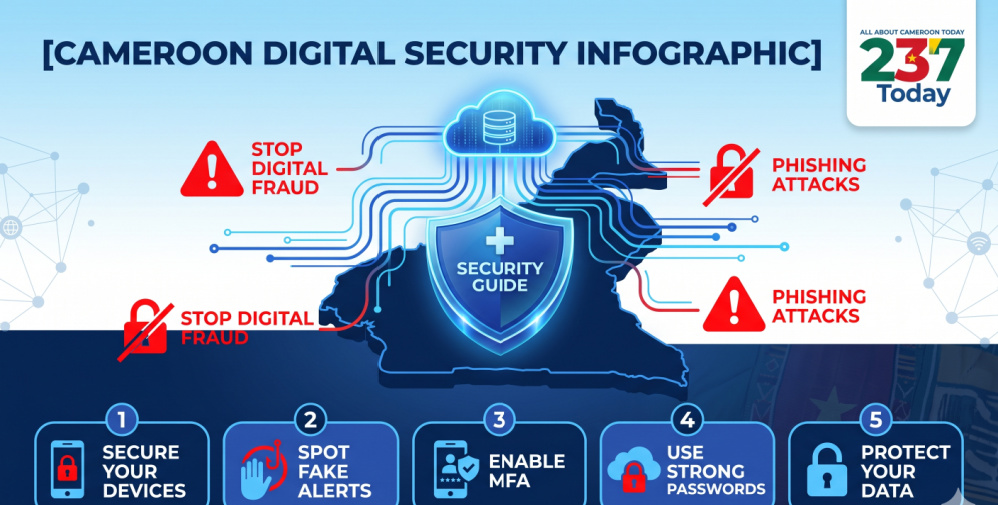
In the age of 5G and mobile money (MTN MoMo and Orange Money), scams have moved from the sidewalk to the smartphone.
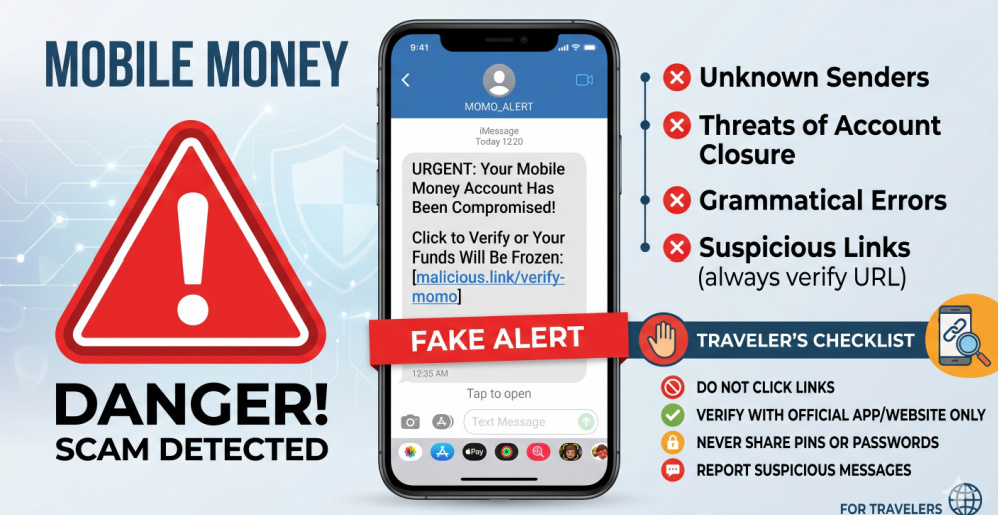
The "Mobile Money" Accidental Deposit
This is perhaps the most frequent scam in 2026. You receive a frantic call or SMS from someone claiming they "accidentally" sent money to your number. They will beg you to send it back.
Romance and "Friendship" Fraud
- The Reality: The SMS you received was a fake "spoof" message. If you send them money, you are sending your own funds.
- The Defense: Never send money back manually. Tell the caller to contact the network provider (MTN or Orange) to reverse the transaction.
With the rise of social media apps, many travelers are targeted before they even land.
- The Hustle: A local "friend" or romantic interest builds rapport over weeks. Once you arrive, they present a sudden medical emergency or a "unique business opportunity" requiring immediate cash.
- The Defense: Maintain a healthy skepticism. Never involve yourself in financial transactions with people you have only recently met online.
Street Scams and the "Petro-Dollar" Trap
While digital fraud is rising, classic "boots-on-the-ground" scams still exist in Douala and Yaoundé.
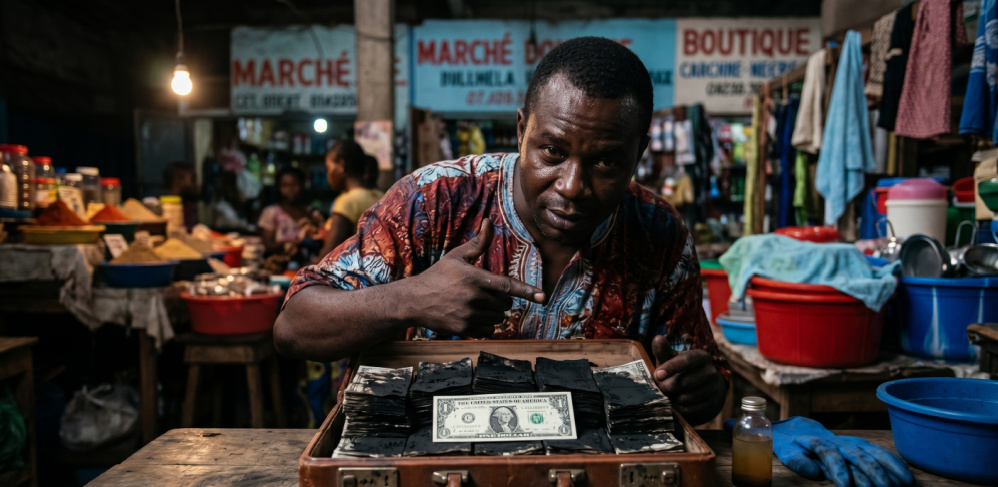
The "Wash-Wash" or Black Money Scam
A classic but still effective hustle. A scammer claims to have a large quantity of "defaced" currency (often claimed to be from a neighbouring conflict zone) that can be "cleaned" using expensive chemicals.
The Fake Guide and the "Closed" Landmark
- The Reality: There is no such thing as "cleaning" money. This is an elaborate theatrical performance designed to get you to invest in the "chemicals."
- The Defense: If anyone mentions "black money," "special chemicals," or "hidden treasures," walk away immediately.
Common near major sites like the Reunification Monument or the Yaoundé National Museum. A friendly "local" tells you the site is closed for a private event or "maintenance" but offers to take you to an "even better" secret location.
- The Result: You end up at a high-priced souvenir shop where the "guide" gets a massive commission, or you are led to a secluded area to be overcharged for a service.
Listing Common Scams in Cameroon
1. Overpricing for Foreigners
How it works:
- Prices increase when you appear unfamiliar
- Especially in markets, taxis, and small shops
How to avoid:
- Ask locals for normal prices
- Negotiate calmly
- Avoid showing urgency
👉 This is the most common situation.
2. Taxi and Transport Scams
How it works:
- Drivers quote inflated prices
- Change agreed price at destination
How to avoid:
- Agree on price before entering
- Use known routes
- Ask multiple drivers if unsure
👉 Never assume fixed pricing.
3. “Helpful Stranger” Scam
How it works:
- Someone offers help (directions, services)
- Later demands payment
How to avoid:
- Be polite but cautious
- Clarify if help is free
- Avoid unnecessary assistance
👉 Not all help is free.
4. Fake Officials or Authority Pressure
How it works:
- Someone claims authority
- Requests money or documents
How to avoid:
- Stay calm
- Ask for identification
- Avoid handing over money casually
👉 Real officials follow procedures.
5. Mobile Money and Transfer Scams
How it works:
- Fake confirmation messages
- Pressure to release goods/services
How to avoid:
- Verify transactions yourself
- Do not rely on screenshots
- Wait for confirmed balance
👉 Always confirm before acting.
6. Rental and Accommodation Scams
How it works:
- Fake listings
- Advance payments for non-existent properties
How to avoid:
- Visit property in person
- Avoid paying upfront remotely
- Use trusted contacts
👉 Very important for newcomers.
7. Business and Investment Scams
How it works:
- Promises of fast profit
- Pressure to invest quickly
How to avoid:
- Take your time
- Verify business legitimacy
- Avoid rushed decisions
👉 If it feels rushed, it is risky.
Practical Safety Principles
Instead of memorising scams, follow these principles:
1. Slow Down Decisions
Scams rely on urgency.
2. Verify Information
Never rely on one source.
3. Observe Behaviour
Confidence + pressure = warning sign.
4. Stay Calm
Avoid emotional reactions.
👉 These rules protect you in most situations.
Having lived across Cameroon for over thirty years—from the sprawling urban centres to the quietest remote villages—I have seen both sides of the safety discussion. My journey has taught me a truth that no travel insurance policy can provide: In Cameroon, relationships are your real armor.
I remember a pivotal moment early in my stay when I was approached by a man in Douala who claimed to be a distant relative of a friend. He had a "guaranteed" investment in a gold mine in the East. Instead of giving in to the excitement of a "big win," I relied on the "Patience and Respect" rule.
I didn't focus on the gold; I focused on the person’s local standing. By politely insisting on meeting his "associates" in a public, official setting, the scammer quickly vanished.
I have lived in cities and villages where daily life is normal and predictable, but the key difference has always been awareness. People who take the time to understand their environment and move with intentionality tend to find a country that is welcoming.
Conversely, those who move with an "arrogant tourist" mindset—thinking they can outsmart the locals or get rich quick—often face avoidable hurdles. Cameroon is not dangerous by default; it only becomes difficult when misunderstood.
👉 One key insight:
In Cameroon, people who rush lose more than people who observe
Who This Guide Is For
This common scams in cameroon guide helps:
- Visitors
- Foreign residents
- Diaspora returning home
- Newcomers
Why This Guide Matters
This page helps you:
- Avoid unnecessary loss
- Understand local systems
- Navigate confidently
Share This Page
Follow the Journey
Stay Updated
Get insights on:
- Safety
- Travel tips
- Living in Cameroon
Common Scams in Cameroon: Explore More
Explore More
- → Safety and Common Risks in Cameroon
- → Cameroon Travel Warnings Explained
- → Is Cameroon Safe to Visit
- → Cameroon Travel Guide
To stay updated on evolving fraud tactics in 2026, we recommend these official resources:
- INTERPOL - Africa Bureau: Regional Crime and Fraud Trends
- The Cameroon Ministry of Posts and Telecommunications: Cybersecurity Advisories
- Global Anti-Scam Alliance (GASA): Protecting Yourself from Financial Fraud
Final Perspective
This common scams in cameroon guide shows that most risks are manageable.
You do not need to be afraid—you need to be aware.
👉 Awareness turns risk into control.