Safety and Common Risks in Cameroon: Honest Guide for Visitors and Residents
Navigating Safety & Common Risks in Cameroon requires a blend of local intuition and up-to-date geopolitical facts. In 2026, Cameroon remains a country of immense beauty, but it is also a nation facing significant internal pressures.
Whether you are a member of the Diaspora returning home, a business traveler, or a local moving between regions, "knowing the ground" is your best defense.
This guide does not sugarcoat the reality. We break down the zones of conflict, the common urban pitfalls, and the health precautions necessary for a successful stay.
Most importantly, we provide safe alternatives so you can enjoy the motherland without compromising your security. This guide focuses on real risks, how they appear in everyday life, and how to navigate them effectively.
Understanding Safety in Cameroon
Safety in Cameroon is context-dependent.
Important reality:
- Some areas are calm and stable
- Some areas require caution
- Some areas should be avoided
👉 There is no single “Cameroon safety level”
Regional Safety Overview
Relatively Stable Areas
- Yaoundé
- Douala
- Bafoussam
- Ngaoundéré (generally calm)
👉 Daily life continues normally in these areas
Areas Requiring Caution
- Parts of North West and South West regions
- Some border areas
👉 Conditions can change—always verify locally
High-Risk Zones (Context-Sensitive)
- Far North (due to insurgency risks)
👉 Travel here should be carefully evaluated
Viewed From Another Angle...
As of April 2026, the country is divided into "Green," "Yellow," and "Red" zones.
The "Red" Zones (High Risk - Avoid)
- The Far North: Continued incursions by non-state armed groups (Boko Haram/ISWAP) make this region extremely dangerous for kidnapping and terror attacks.
- Some Parts of the North West & South West (The Anglophone Regions): The struggle for self-rule continues. While cities like Buea and Limbe have periods of "normalcy," rural areas and highways are subject to "ghost towns," lockdowns, and unpredictable clashes.
The "Yellow" Zones (Exercise High Caution)
- Border Areas: The borders with the Central African Republic and Nigeria are prone to banditry and cross-border kidnapping.
- Mount Cameroon: Before climbing, always verify the current security status with local authorities in Buea.
Common Risks in Daily Life
This section of the safety and common risks in Cameroon guide focuses on everyday realities.
1. Petty Theft
Common in:
- Crowded markets
- Transport areas
- Busy streets
Practical Tips:
- Avoid displaying valuables
- Use secure bags
- Stay aware in crowds
2. Transport Risks
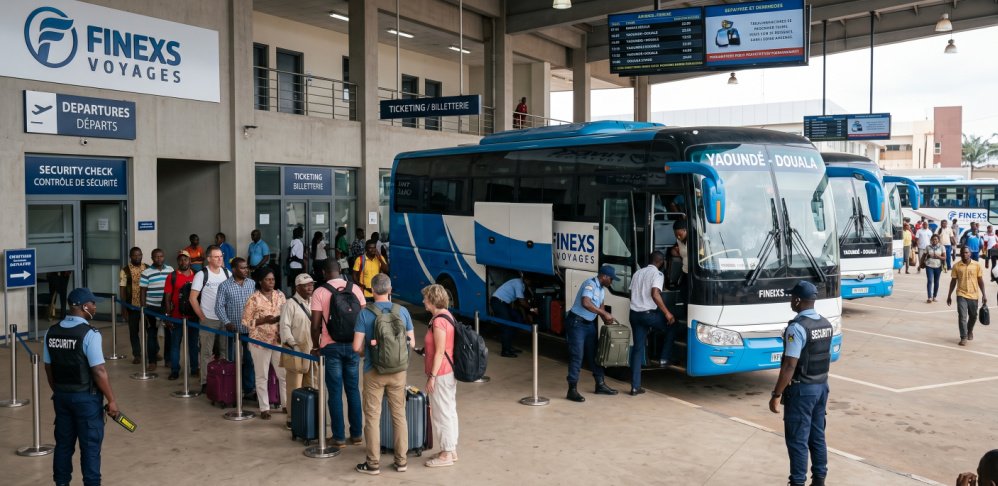
Transport is one of the most realistic risks.
Issues include:
- Road conditions
- Driving behaviour
- Night travel challenges
Practical Tips:
- Avoid night travel where possible
- Use trusted drivers
- Plan routes in advance
3. Scams and Informal Pressure
You may encounter:
- Overpricing
- Misleading offers
- Informal “assistance” requests
Practical Tips:
- Ask locals for price references
- Avoid rushing decisions
- Stay polite but firm
4. Infrastructure-Related Risks
Includes:
- Power outages
- Water interruptions
- Limited emergency systems
Practical Tips:
- Have backup plans
- Keep essentials available
- Plan ahead
5. Regional Security Issues
In certain regions:
- Political instability
- Security operations
- Movement restrictions
Practical Tips:
- Stay updated
- Follow official guidance
- Avoid sensitive areas
Urban Security Examples: Douala and Yaoundé
In major cities, the Safety & Common Risks in Cameroon shift from conflict to street crime.
- The "Shared Taxi" Risk: Be extremely careful when entering shared taxis with multiple passengers already inside, especially at night. "Kidnapping-lite" (where passengers are robbed and dropped off) is a recurring issue.
- Night Movement: Avoid walking alone after 9:00 PM in areas like Akwa (Douala) or the valleys of Yaoundé. Use reputable private ride-hailing apps or "trusted" drivers known to your hotel.
- Scams: Be wary of "official" looking people asking for documents in non-official settings. Always ask for ID, but keep your original passport in a hotel safe; carry a high-quality color photocopy instead.
Safety Tips for Visitors
If you are visiting Cameroon:
- Stay in known areas
- Use trusted accommodation
- Avoid isolated places at night
- Keep emergency contacts
👉 First-time visitors should prioritise structure and planning
Safety Tips for Locals and Residents
For residents:
- Understand your environment
- Build trusted networks
- Stay informed about local developments
👉 Local awareness is your strongest safety tool
Alternatives and Safer Approaches
Instead of avoiding Cameroon entirely, consider:
Travel Alternatives
- Focus on stable cities (Yaoundé, Douala, Limbe, Buea)
- Avoid sensitive regions
Lifestyle Adjustments
- Live in known neighbourhoods
- Build relationships
- Adapt routines
Movement Strategies
- Travel during daytime
- Use known routes
- Avoid unnecessary risk
Health and Road Safety
Road Hazards
Road accidents are a leading cause of injury. Cameroon’s "Axe Lourd" (major highways) are notorious for high-speed bus drivers and poorly marked obstacles. Rule: Never travel by road between cities after sunset. If your bus is delayed and will arrive after dark, consider staying an extra night in your current city.
Health Risks
- Malaria: Still the #1 health risk. Use pro-phylactics and always sleep under a treated net.
- Water: Drink only bottled water (Tangui or Supermont). Even in high-end hotels, ice cubes can be a risk.
- Emergency Services: Local emergency response is limited. Ensure you have "Evacuation Insurance" if you are a foreign visitor.
My Personal Experience
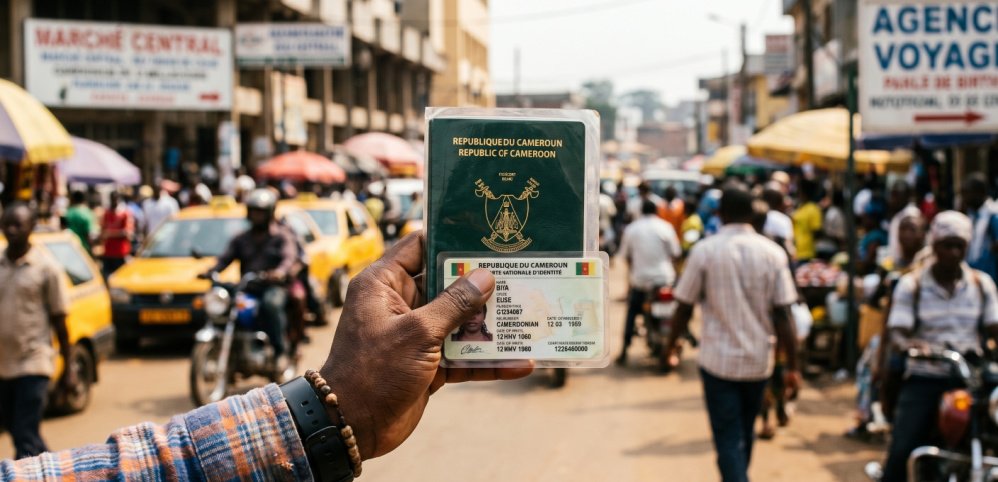
From my experience living in Cameroon for over 30 years across different regions—including Buea, Limbe, Douala, Yaoundé, Ngaoundéré, Kumba, and Dschang etc —I can say that safety is largely about awareness and decision-making.
I have moved freely in many parts of the country without any serious incidents. However, this was not by chance. It was because of understanding:
- Where to go
- When to go
- How to behave
In my time, I navigated the Safety & Common Risks in Cameroon by following one golden rule: Information is Currency.
Most problems arise when people find themselves in the wrong place at the wrong time, or when they ignore local advice.
👉 One key insight:
Cameroon is manageable when approached with awareness, but difficult when approached carelessly.
Why This Guide Matters
This safety and common risks in Cameroon guide helps you:
- Avoid unnecessary fear
- Avoid careless mistakes
- Navigate the country realistically
Share This Page
Join the Journey
Stay Updated
Get updates on:
- Travel safety
- Living conditions
- Practical tips
Safety and Common Risks in Cameroon: Explore More
Final Perspective
Understanding Safety & Common Risks in Cameroon is not about living in fear; it is about living with awareness. Cameroonians are some of the most resilient and helpful people you will ever meet.
By avoiding the "Red Zones," staying low-key in the cities, and using reputable transport, you can experience the beauty of the motherland safely.
Stay informed, keep your "local ear" to the ground, and always prioritize your intuition over your itinerary.
👉 The key is awareness, not avoidance.