Starting a Small Business in Cameroon Explained – Practical Local Guide
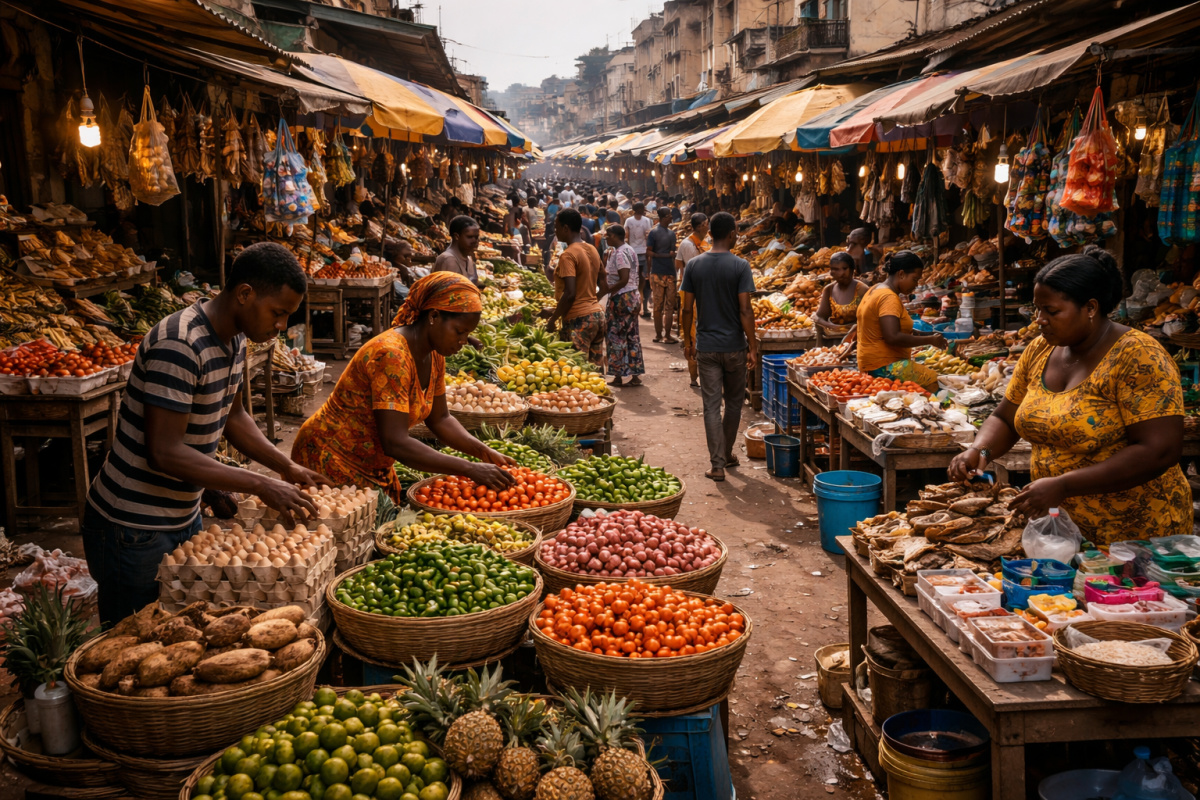 Thousands of small businesses power Cameroon’s economy every day.
Starting a small business in Cameroon explained properly requires understanding that entrepreneurship often begins small and grows gradually. Starting a small business in Cameroon explained is not usually about large capital investment but about identifying everyday needs in local communities and responding creatively.
Across cities such as Douala, Yaoundé, Bafoussam, Bamenda and smaller towns, thousands of small businesses operate daily, ranging from food stalls and tailoring shops to mobile money kiosks and neighbourhood provision stores.
This guide explains how small businesses realistically start and survive.
Understanding Starting a Small Business in Cameroon Explained
When discussing starting a small business in Cameroon explained, the most important thing to understand is that many businesses begin with modest capital and strong community relationships.
Examples include:
• A woman selling cooked food near a bus station
• A barber operating a small roadside salon
• A young entrepreneur running a mobile money kiosk
• A farmer selling vegetables in a neighbourhood market
Many of these businesses start with very limited investment but grow through consistency and reputation.
For broader economic context:
→ Doing Business in Cameroon Explained
 A Mobile Money Kiosk is a Good Example of a Small Business in Cameroon
Common Types of Small Businesses
Many successful businesses in Cameroon fall into simple but essential service categories.Provision Stores
Small neighbourhood shops selling:
• bread
• canned food
• drinks
• soap
• basic groceries
Example:
In Douala’s residential neighbourhoods, provision stores often operate late into the evening serving workers returning home.
Startup capital may range from 300,000 – 1,000,000 CFA depending on inventory.
Food Businesses
Food businesses are extremely common.
Examples:
• roadside grilled fish stands
• breakfast porridge vendors
• small restaurants (“call box restaurants”)
• fried plantain sellers
A woman selling breakfast porridge near a taxi station in Yaoundé can attract dozens of customers every morning.
Food businesses succeed because they meet daily needs.
Tailoring and Fashion
Tailors remain important in many communities.
Examples:
• sewing traditional outfits
• school uniforms
• wedding attire
A tailor in Bafoussam may start with one sewing machine and gradually expand into a larger workshop employing assistants.
Mobile Phone Services
Mobile phones created many new micro-business opportunities.
Examples:
• phone repair kiosks
• phone accessory stalls
• phone charging stations
• SIM card registration services
These businesses are common near markets and transport hubs.
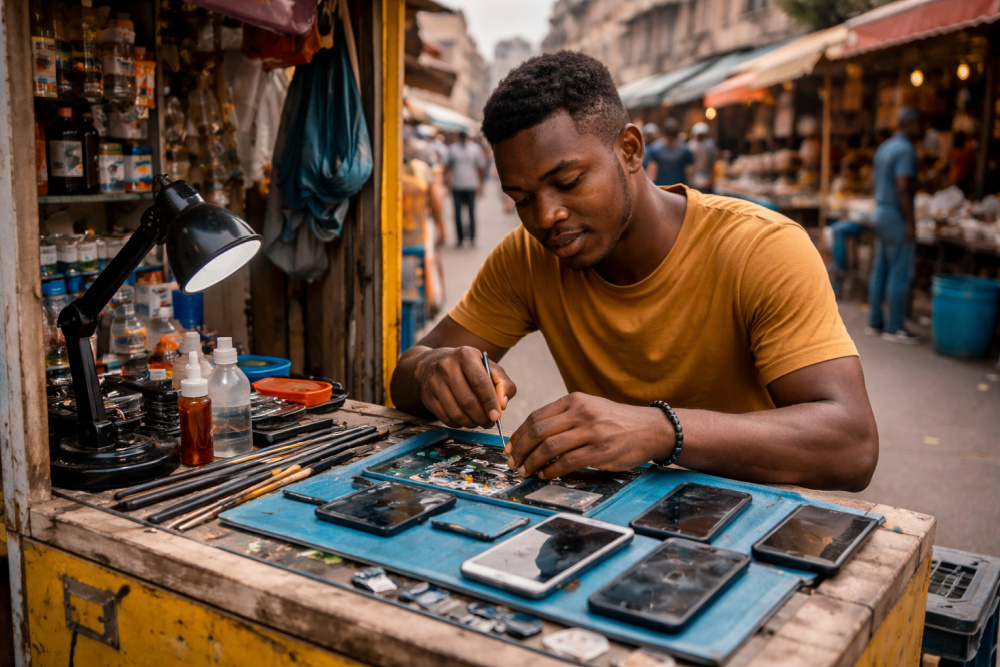 Small businesses like this one are operated by thousands of small business owners in Cameroon
Choosing the Right Location
Location is often the most important factor in small business success.
High traffic areas include:
• markets
• taxi parks
• schools
• bus stations
• residential neighbourhood junctions
For example:
A small snack stall located beside a university entrance may sell hundreds of snacks daily due to constant student traffic.
Observing human movement patterns helps identify profitable locations.
Local Business Tip
Before opening a shop, spend several days observing the area.
Watch where people gather, where taxis stop, and where customers already buy goods.
Startup Capital Reality
Many small businesses start with limited capital.
Examples:
Mobile money kiosk:
300,000 – 700,000 CFA
Small provision store:
500,000 – 1,500,000 CFA
Food stall:
200,000 – 600,000 CFA
Tailoring business:
300,000 – 800,000 CFA
Costs may include:
• equipment
• initial inventory
• rent
• licences
• basic furniture
Small entrepreneurs often reinvest profits gradually.
Registration and Formalisation
Some small businesses operate informally at first.
However, formal registration may become necessary when the business grows.
Registration may involve:
• business name registration
• tax identification number
• municipal authorisation
These procedures may require visiting several administrative offices.
Patience and correct documentation are important.
For regulatory indicators:
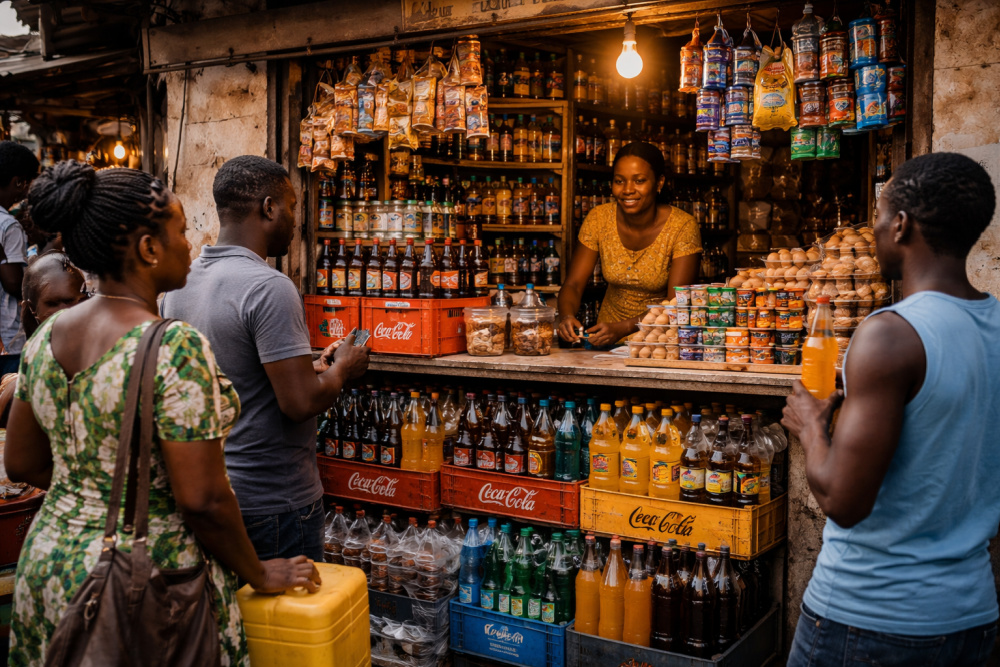 Shops like this one are in Cameroon Towns and Cities
Challenges Small Businesses Face
Small businesses may face several practical challenges.
Common examples include:Electricity interruptions
A small printing shop may lose work hours when electricity goes off.Transport delays
Food vendors may struggle to obtain fresh ingredients when transport is disrupted.Competition
If several identical shops open in the same street, profits may decline.Credit customers
Some customers may request to buy on credit, creating cash flow challenges.
Entrepreneurs must manage these realities carefully.
Why Small Businesses Matter
Small businesses are essential to Cameroon’s economy.
They provide:
• employment
• food distribution
• local services
• community support
Thousands of families depend on small enterprises for their livelihood.
Understanding these businesses is central to understanding the economy itself.
Part of the Business & Survival Guide
This article on starting a small business in Cameroon explained is part of the broader Business section.
Related guides:
→ Doing Business in Cameroon Explained
→ Informal Economy in Cameroon Explained
→ Employment and Job Market in Cameroon Explained
→ Investment Risks in Cameroon Explained
Final Perspective
Starting a small business in Cameroon explained reveals an entrepreneurial culture built on adaptability, community relationships and practical problem solving.
Many successful businesses begin very small but grow steadily through persistence and reputation.
Understanding how these businesses operate provides valuable insight into the broader economic landscape.