Informal Economy in Cameroon Explained – How People Really Make Money
The informal economy in Cameroon explained properly requires understanding that a large part of economic life happens outside formal structures. Informal economy in Cameroon explained means recognising how millions of people earn income daily through small-scale, flexible, and often unregistered activities.
From roadside food vendors in Douala to motorbike taxi riders in Bamenda, informal work is not a side system — it is a central part of how the country functions economically.
This guide explains how the informal economy operates in real life.
Understanding Informal Economy in Cameroon Explained
When discussing informal economy in Cameroon explained, we are referring to economic activities that operate outside full government regulation but still provide income, goods, and services.
These include:
- Street trading
- Small kiosks
- Transport services
- Home-based businesses
- Daily labour
These activities often:
- Require low startup capital
- Operate with flexible rules
- Depend on customer flow and relationships
For broader context:
→ Doing Business in Cameroon Explained
Everyday Examples of the Informal Economy
The informal economy becomes clearer when you look at real situations.Example 1: Street Food Vendor (Douala)
A woman sells grilled fish by the roadside every evening.
- She buys fish in the morning
- Prepares seasoning at home
- Sets up near a busy junction
- Serves workers returning home
Daily income depends on customer traffic.
Example 2: Motorbike Taxi Rider (Bamenda)
A young man uses a motorbike (“okada”) to transport passengers.
- Earns per trip
- Works flexible hours
- Avoids heavy traffic areas
- Income varies daily
Transport is one of the largest informal sectors.
Example 3: Mobile Money Operator
A kiosk operator provides:
- Cash withdrawals
- Transfers
- Airtime sales
Located near markets or busy streets, this business benefits from constant demand.
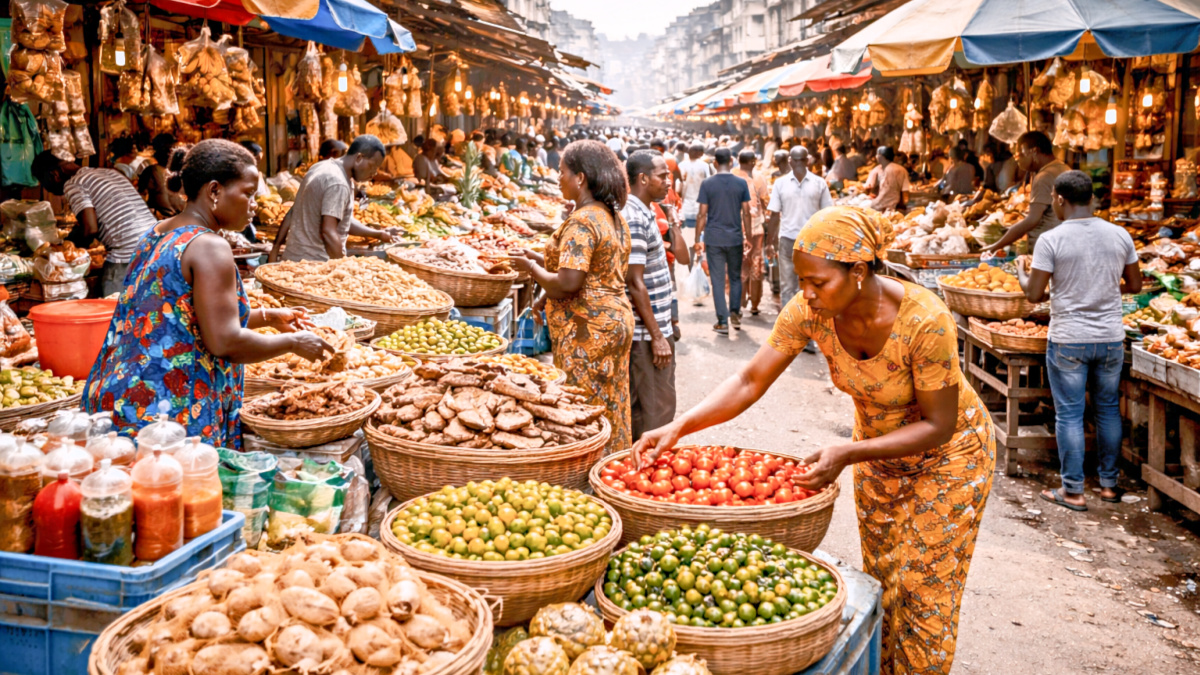 The informal sector in Cameroon cannot be underestimated.
"In many areas, the informal economy is the main source of income — not the exception."
Why the Informal Economy Is So Important
The informal economy plays a major role in:
- Employment creation
- Food distribution
- Transport services
- Daily survival
In some areas, formal jobs are limited, so people create their own opportunities.
For example:
A young graduate unable to find formal employment may open a small phone accessories business.
Low Startup Barriers
One reason the informal economy is strong is because entry barriers are low.
Examples:
- Selling fruit requires small capital
- Starting a food stall requires basic equipment
- Offering transport requires a motorbike
This accessibility allows many people to participate in economic activity.
Flexibility and Adaptation
The informal economy adapts quickly.
Examples:
- Vendors adjust prices based on supply
- Traders change products depending on demand
- Transport operators adjust routes based on traffic
This flexibility allows businesses to survive in changing conditions.
Challenges of the Informal Economy
Despite its importance, the informal economy faces challenges.Lack of Regulation
Some businesses operate without legal protection.Income Instability
Daily earnings can fluctuate significantly.Limited Access to Credit
Banks often require formal documentation.Infrastructure Dependence
Power outages or road conditions affect operations.
For infrastructure context:
→ Infrastructure and Utilities in Cameroon Explained
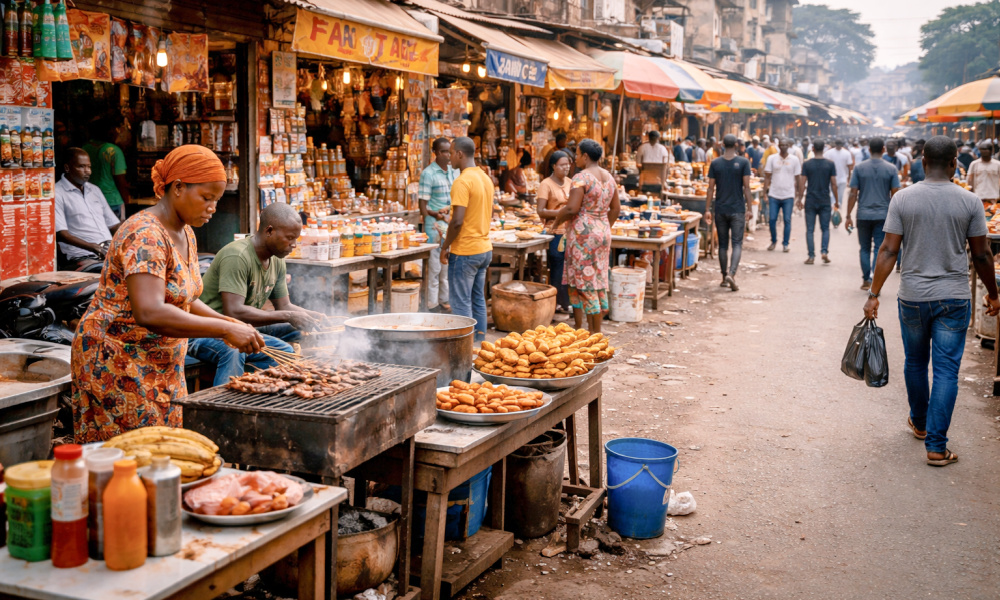 Roadside businesses in Cameroon including food stalls, small shops and pedestrians.
Relationship-Based Business
Trust plays a major role.
Examples:
- Customers buy regularly from the same vendor
- Suppliers offer goods on credit
- Word-of-mouth drives sales
Relationships often replace formal contracts.
For cultural context:
→ Cameroon Culture and Society
Informal vs Formal Business
The informal economy differs from formal business in several ways:
InformalFlexible Low entry cost Limited regulation Cash-based |
FormalStructured Higher startup cost Regulated Bank-based |
Both systems coexist and interact.
Urban vs Rural Informal Economy
Urban areas:
- Higher customer traffic
- More competition
- More business variety
Rural areas:
- Lower competition
- Smaller customer base
- Stronger community ties
Both systems are important, as far as Cameroon is concerned.
Common Misunderstandings
Common misconceptions include:
- Thinking informal means illegal
- Assuming low profitability
- Ignoring its scale and impact
In reality, many households depend entirely on informal income to survive.
Why Informal Economy in Cameroon Explained Matters
Understanding informal economy in Cameroon explained helps:
- Entrepreneurs identify opportunities
- Investors understand market realities
- Policymakers analyse employment patterns
- Diaspora plan realistic ventures
The informal sector is not temporary — it is structural.
Part of the Business & Survival Guide
This article on informal economy in Cameroon explained is part of the broader Business section.
Related guides:
→ Doing Business in Cameroon Explained
→ Starting a Small Business in Cameroon Explained
→ Employment and Job Market in Cameroon Explained
→ Investment Risks in Cameroon Explained
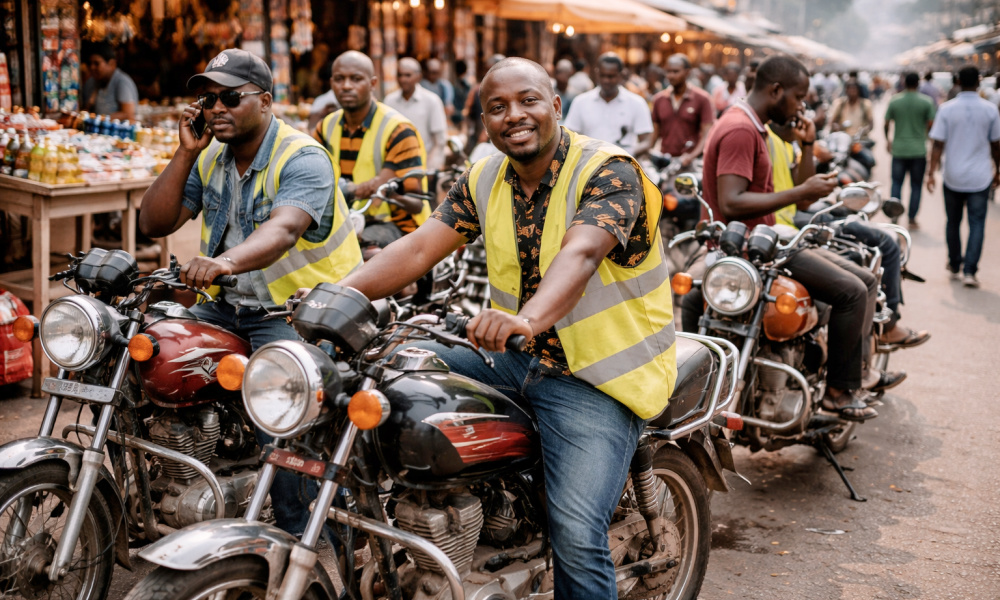 Cameroon Motorbike Taxis are part and parcel of the informal sector in Cameroon.
External Reference
For economic structure data, visit:
Final Perspective
The informal economy in Cameroon explained reveals how millions of people create income through adaptability, resilience, and community-based systems.
It is not a secondary economy — it is a core part of how the country functions.
Understanding it provides a clearer picture of real economic life in Cameroon.