Infrastructure and Utilities in Cameroon Explained – Electricity,
Water & Internet
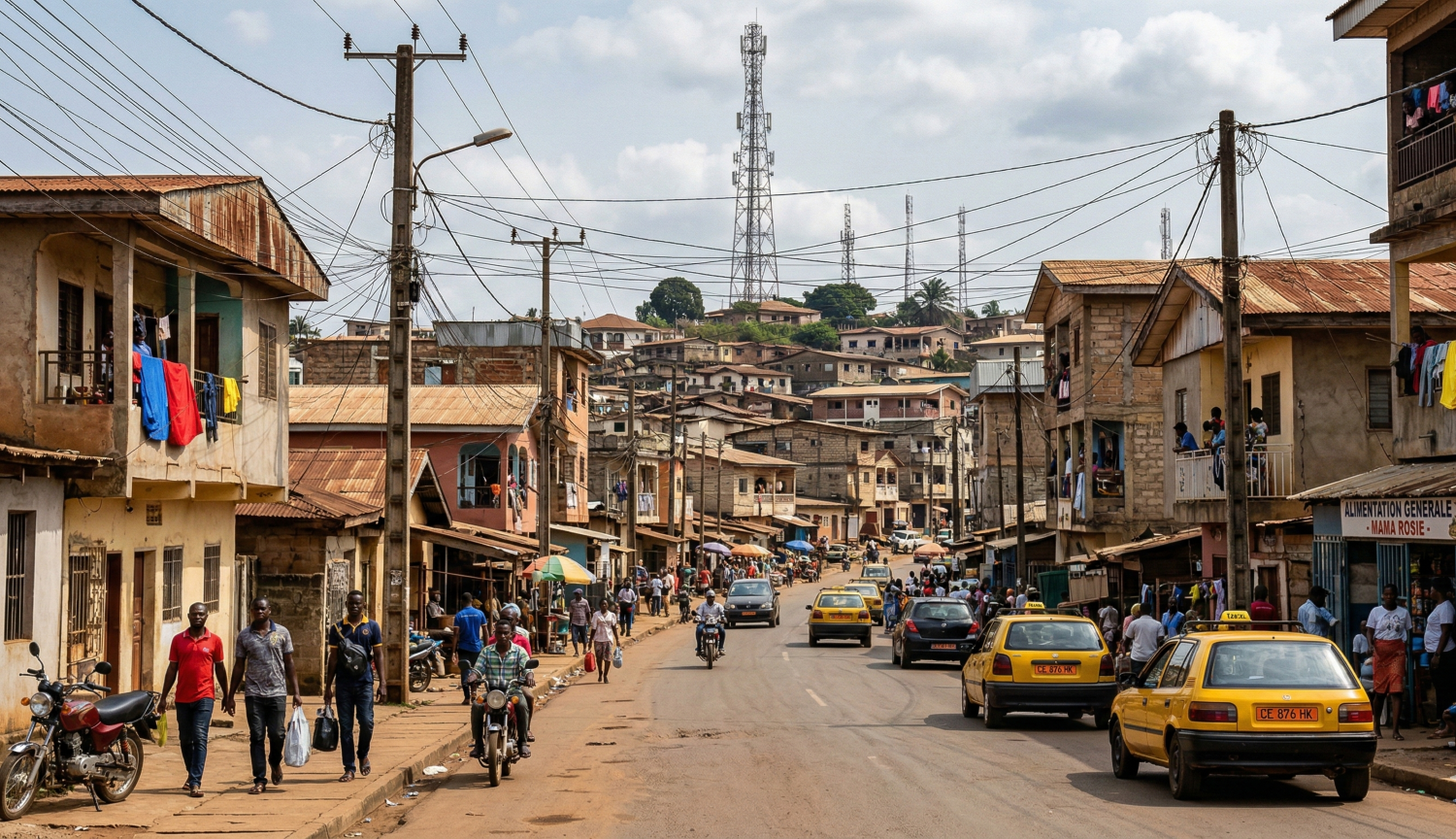
Infrastructure and utilities in Cameroon explained properly requires understanding that service reliability varies significantly depending on region, neighbourhood, and economic development level. Infrastructure and utilities in Cameroon explained is not a uniform story; access to electricity, water, roads, and internet differs between major urban centres and smaller towns.
Daily life is shaped heavily by infrastructure stability. Work productivity, education, healthcare access, and business activity all depend on reliable utilities.
This guide explains how infrastructure functions in everyday life.
Understanding Infrastructure and Utilities in Cameroon Explained
When discussing infrastructure and utilities in Cameroon explained, the main systems to consider include:
- Electricity supply
- Water distribution
- Road networks
- Internet and telecommunications
- Waste management
Infrastructure reliability influences living standards and economic performance.
Conditions may differ significantly from one neighbourhood to another.
For broader daily context:
→ Daily Life in Cameroon Explained
Electricity Supply
Electricity access is available in major cities and many towns, but reliability may vary.
Some areas experience:
- Stable electricity throughout most of the day
- Periodic power interruptions
- Load shedding during peak demand
Businesses and households often adapt by:
- Using backup generators
- Installing solar systems
- Purchasing voltage stabilisers
Electricity reliability may depend on:
- Infrastructure age
- Population density
- Regional investment
Planning for occasional interruption is realistic in some areas.
Water Supply
Water infrastructure also varies by location.
Urban areas may have:
- Municipal water connections
- Periodic supply interruptions
- Seasonal rationing in some districts
Residents may use:
- Water storage tanks
- Boreholes
- Delivery services
Rural communities may rely more heavily on:
- Wells
- Community water points
- Natural sources
Water access often reflects infrastructure distribution patterns.
Internet and Telecommunications
Internet access has improved significantly in urban centres.
Common options include:
- Mobile data networks
- Fibre internet in selected areas
- Broadband services
Internet reliability may vary depending on:
- Provider
- Location
- Network congestion
Mobile penetration is widespread, and smartphones are commonly used for communication and financial transactions.
Connectivity plays a growing role in business and education.
For development data reference:
Road Infrastructure
Infrastructure and utilities in Cameroon explained must include roads.
Major highways connecting cities are generally more developed than rural roads.
Secondary roads may experience:
- Potholes
- Seasonal damage during heavy rains
- Reduced lighting
Road quality influences:
- Travel time
- Vehicle maintenance costs
- Transport reliability
Infrastructure improvement projects are ongoing in many regions.
For transport context:
→ Transport in Cameroon Explained
Waste Management and Urban Services
Waste collection systems operate in major cities, though efficiency may vary by district.
Urban areas may have:
- Scheduled waste pickup
- Private waste services
- Informal disposal in some districts
Rural areas may rely more heavily on:
- Local disposal systems
- Community-managed solutions
Waste management affects public health and environmental conditions.
Infrastructure and Business Operations
Infrastructure reliability directly affects:
- Small businesses
- Manufacturing
- Digital services
- Healthcare facilities
- Schools
Power interruptions may require backup systems. Internet variability may affect remote work.
Business planning must account for utility conditions.
For economic structure:
→ Business & Survival Guide
Urban vs Rural Infrastructure Differences
Urban centres typically provide:
- Greater electricity coverage
- Broader internet access
- More paved roads
- Higher service density
Rural areas may experience:
- Limited grid access
- Seasonal road accessibility
- Reduced service variety
Infrastructure distribution reflects economic concentration.
Common Misunderstandings About Infrastructure
Common misconceptions include:
- Assuming infrastructure instability everywhere
- Expecting Western-level consistency
- Ignoring rapid development in major cities
- Overlooking rural resilience systems
Infrastructure and utilities in Cameroon explained is a story of variation rather than uniformity.
Why Infrastructure and Utilities in Cameroon Explained Matters
Understanding infrastructure and utilities in Cameroon explained improves:
- Relocation planning
- Investment evaluation
- Business risk assessment
- Lifestyle expectation management
Infrastructure stability influences comfort, productivity, and safety.
Preparation reduces frustration.
For housing context:
→ Housing in Cameroon Explained
→ Cost of Living in Cameroon Explained
External Reference
For infrastructure development indicators:
Part of the Daily Life Guide
This article on infrastructure and utilities in Cameroon explained is part of the broader Daily Life in Cameroon Explained hub.
For full context on cost, housing, and transport:
→ Daily Life in Cameroon Explained
Final Perspective
Infrastructure and utilities in Cameroon explained reveals a system shaped by regional investment, urban concentration, and economic development patterns.
While variability exists, adaptation strategies are common.
Understanding infrastructure realities allows realistic planning for residents, returnees, and investors.