Housing in Cameroon Explained – Renting, Buying & Living Conditions
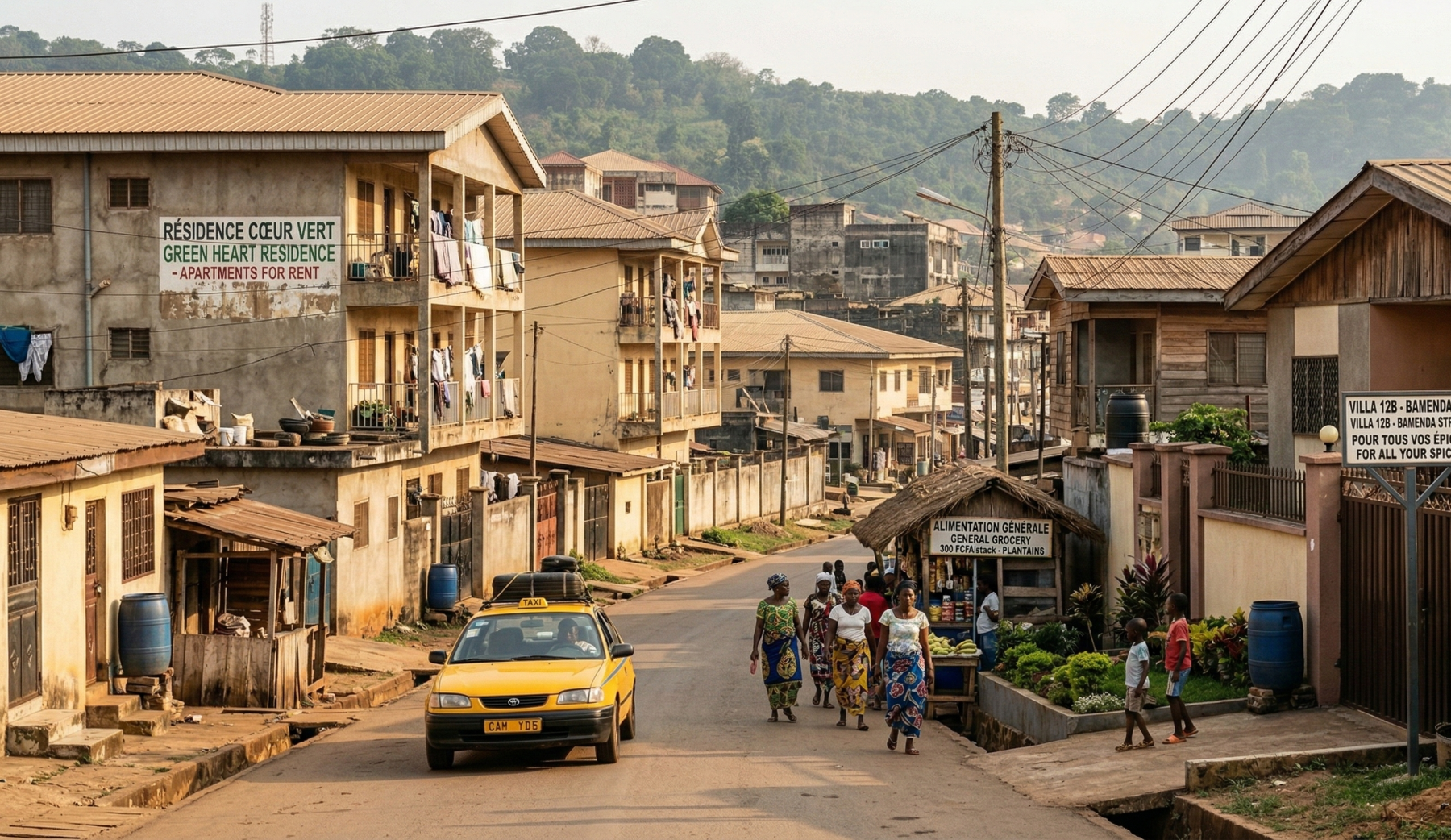
Housing in Cameroon explained properly requires understanding that living conditions vary significantly depending on location, income level, infrastructure access, and neighbourhood quality. Housing in Cameroon explained is not one uniform experience; it ranges from modern apartments in urban centres to compound-style homes in smaller towns.
Anyone planning relocation, return, or long-term stay must understand rental systems, housing standards, infrastructure reliability, and neighbourhood dynamics before making decisions.
This guide provides a realistic breakdown of what to expect.
Understanding Housing in Cameroon Explained
When discussing housing in Cameroon explained, we must separate:
- Urban housing
- Suburban housing
- Rural housing
- Expatriate-focused housing
Each operates differently in pricing, availability, and quality.
Housing decisions are often influenced by:
- Proximity to work
- Road access
- Electricity stability
- Water reliability
- Security conditions
Housing expectations should align with infrastructure realities.
For broader daily context:
→ Daily Life in Cameroon Explained
Renting Property
Renting is common in major cities such as Douala and Yaoundé.
Rental structures may include:
- Advance payment requirements
- Security deposits
- Annual lease agreements
- Informal agreements in some areas
In many cases, landlords may request:
- 6 months to 1 year rent upfront
- Agency commission fees
- Utility deposits
Furnished apartments are available in urban centres but at significantly higher cost.
Understanding rental norms prevents financial surprises.
For cost breakdown:
→ Cost of Living in Cameroon Explained
Buying Property
Housing in Cameroon explained must also address property ownership.
Buying property may involve:
- Land title verification
- Legal documentation checks
- Customary land considerations
- Professional legal support
Urban property prices can vary widely depending on:
- Location
- Road access
- Infrastructure
- Security
Due diligence is essential before purchase.
For governance and regulatory context:
Types of Housing
Common housing types include:
Apartment Blocks
- Common in city centres
- Often multi-storey
- May include limited parking
Standalone Houses
- More common in suburban or rural areas
- Greater privacy
- May require private maintenance
Compound Houses
- Multiple units within shared gated space
- Common in residential neighbourhoods
- Shared utilities in some cases
Housing standards vary significantly.
Utilities and Living Conditions
Infrastructure reliability strongly influences housing quality.
Key considerations include:
- Electricity stability
- Water supply consistency
- Drainage systems
- Waste collection
- Internet connectivity
Some neighbourhoods experience:
- Regular power outages
- Water interruptions
- Road access issues during rainy season
Residents often adapt using:
- Generators
- Water storage tanks
- Backup internet solutions
Understanding these realities avoids unrealistic expectations.
Security Considerations
Housing decisions often factor in security.
Security measures may include:
- Gated compounds
- Security guards
- Reinforced doors
- Controlled entry points
Neighbourhood reputation plays an important role.
Urban areas may vary significantly from one district to another.
Safety awareness should always guide housing selection.
For safety context:
→ Media & Safety Guide
Urban vs Rural Housing Differences
Urban housing may include:
- Higher rent
- More apartment options
- Greater infrastructure access
Rural housing may include:
- Lower cost
- Larger land plots
- Limited public services
Infrastructure distribution influences living experience.
Housing in smaller towns may require greater self-sufficiency.
Expatriate and Returnee Housing
Housing in Cameroon explained is especially relevant for:
- Diaspora returnees
- NGO workers
- Foreign professionals
These groups may prefer:
- Furnished apartments
- Reliable utility access
- Central neighbourhoods
Expectations should match realistic service levels.
For cultural context:
→ Cameroon Culture and Society
Common Misunderstandings About Housing
Common misconceptions include:
- Assuming Western-style infrastructure uniformly
- Expecting month-to-month rental systems
- Underestimating upfront payment norms
- Overlooking neighbourhood variation
Housing quality and stability often correlate with location and price.
Why Housing in Cameroon Explained Matters
Understanding housing in Cameroon explained improves:
- Budget planning
- Relocation preparation
- Investment decisions
- Lifestyle matching
- Risk management
Housing is often the largest financial commitment. Clear expectations prevent stress and financial loss.
External Reference
For housing development indicators:
Part of the Daily Life Guide
This article on housing in Cameroon explained is part of the broader Daily Life in Cameroon Explained hub.
For full context on cost, transport, and infrastructure:
→ Daily Life in Cameroon Explained
Final Perspective
Housing in Cameroon explained reveals a system shaped by infrastructure distribution, economic variation, and regional difference.
Successful relocation or return requires aligning housing expectations with realistic conditions.
With proper planning and due diligence, housing decisions become significantly more manageable.