Bamenda City Guide: Living, Culture, Climate & Daily Life in Cameroon’s North West
Welcome to the definitive Bamenda City Guide, an in-depth exploration of the primary urban center of Cameroon’s North West Region. Bamenda is not just a city; it is an emotional anchor for Northwesterners and a critical bastion of Anglophone identity in Cameroon.
Known for its distinct cool climate, rolling hills, and incredibly resilient population, "Abakwa" (as it is affectionately known) is a place where community bonds are stronger than anywhere else in the country.
However, a truthful, modern Bamenda City Guide must confront a painful reality. Since 2016, this vibrant cultural capital has been a city under siege, the central epicentre of the Anglophone crisis.
This guide will help you understand the beautiful complexity of modern Bamenda: a place where primeval culture and unwavering community spirit persist, even while the city remains a political hostage in the struggle for self-rule.
Understanding Bamenda is essential because it reflects a deeply rooted community structure, where relationships, culture, and shared identity play a central role in daily life.
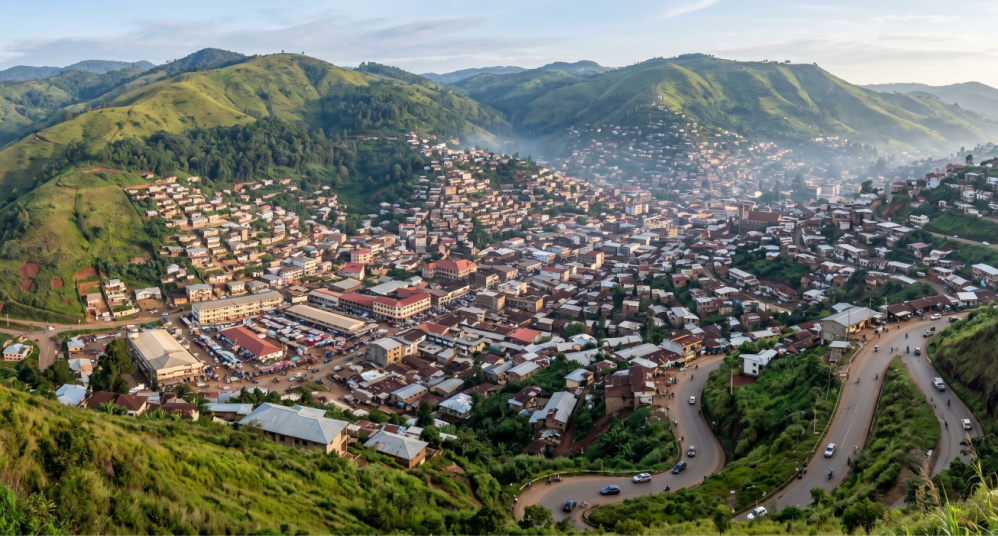
Overview of Bamenda
Bamenda is one of the main cities in the North West Region.
Key characteristics:
- Highland city
- Strong cultural identity
- Community-driven environment
- Regional economic centre
👉 It is known for its people as much as its geography.
The Primacy of Community and Grassfields Culture
The soul of Bamenda is rooted in its culture. This Bamenda City Guide emphasizes that "prime" is the only word to describe the importance of tradition here. The city is the center of the vast Bamenda Grassfields, a cultural mosaic of diverse chiefdoms (Fons) known for their elaborate traditional palaces, vibrant craft markets, and legendary masked dances.
Community is the defining survival mechanism. In Bamenda, "community" is a noun and a verb. It is expressed through powerful social structures, family ties, and common language (Pidgin English), which bind the population together.
This resilience is perhaps most evident in how the city maintains its cultural identity, ensuring that festivals, traditional dress, and mutual support networks endure despite the extreme external pressures.
Climate and Environment
One of the defining features of this Bamenda city guide is its climate.
Because of its highland location:
- Temperatures are cooler
- Air feels fresher
- Weather is more comfortable than coastal regions
However:
- Rainfall can be significant
- Roads can be affected during rainy season
👉 Climate influences both lifestyle and movement.
Hostage to the Struggle: The Anglophone Crisis
It is impossible to discuss Bamenda without discussing the devastating impact of the "Anglophone struggle for self-rule." As the geographic heart of the North West, Bamenda has borne the heaviest burden of the crisis that escalated from peaceful protests in 2016 into an armed conflict.
Any honest assessment in this Bamenda City Guide must detail how the city is "held hostage":
- Security Constraints: Movement is heavily restricted by checkpoints and a pervasive fear of clashes.
- Economic Disruption: Markets (like the famous Bamenda Main Market) operate with reduced hours. Small businesses are struggling to survive amidst curfews and "ghost town" strikes.
- Inflation: The price of basic necessities has soared, placing immense strain on already vulnerable families.
- Education & Healthcare: Access to these critical services has been profoundly disrupted, impacting thousands of children and patients.
Living in Bamenda
Living in Bamenda is shaped by community life and local interaction.
Advantages:
- Strong social networks
- Cultural richness
- Balanced pace of life
- Lower cost compared to major cities
Challenges:
- Infrastructure limitations
- Regional instability (context-dependent)
- Limited large-scale job market
👉 Best for: people seeking community and cultural connection
Cost of Living in Bamenda
The cost of living is generally lower than in Douala or Yaoundé.
Main expenses:
- Housing (affordable)
- Food (local produce widely available)
- Transport
👉 Living costs are manageable with a local lifestyle.
For more details:
→ Cost of Living in Cameroon
Navigating Bamenda: Orientation, Best Neighbourhoods & Safety
Navigating modern Bamenda is a logistical and psychological challenge. This Bamenda City Guide provides critical context for safe movement.The "Bamenda Uphill/Downhill" Split
The city has a distinct topographic divide:
- Uphill Bamenda (e.g., Station, Mankon Palace): Historically, the site of the administrative center (the "Station"). Offers cooler temperatures and beautiful views. Includes many established neighbourhoods and cultural sites like the Mankon Fon's Palace.
- Downhill Bamenda (e.g., Commercial Avenue, Nkwen): The busy economic and social heart of the city. High density, crowded markets, and vibrant energy. This area experiences the brunt of economic and mobility challenges.
Critical Safety Guidelines
This guide prioritizes your safety. For complete country-wide advice, visit our page on Safety and Common Risks in Cameroon.
- Local Contact: Never attempt to move or visit without an experienced, trusted local contact.
- Verify Status: Situation can change rapidly. Always confirm current conditions (curfews, "ghost towns," checkpoints) before moving.
- Respect Authority: This city has multiple layered authority structures (state and non-state). Always be respectful and cooperative.
- Avoid Exposure: Minimize movement, especially at night. Stay informed about specific flashpoints.
Lifestyle and Atmosphere
Bamenda offers:
- Slower pace of life
- Strong community presence
- Cultural depth
Compared to Douala:
- Less commercial pressure
- More social interaction
- More cultural immersion
👉 It is a place where relationships matter.
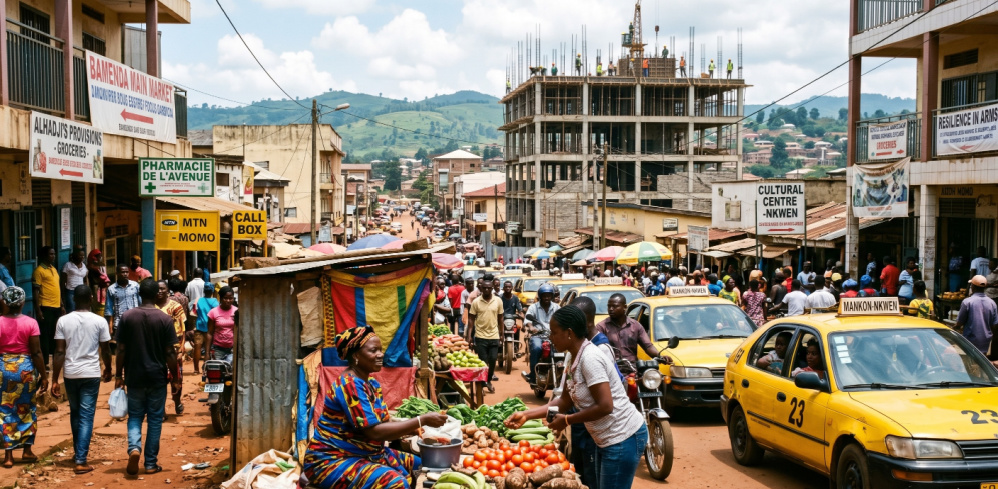
My Personal Experience
From my experience spending time in the North West Region, Bamenda stands out as a city where community truly defines life.
Unlike larger cities where people are often focused on speed and opportunity, Bamenda feels more connected. People interact more, relationships are stronger, and daily life revolves around shared experiences.
At the same time, I have also seen how external conditions can affect life in the region, making awareness and adaptability very important.
What I miss most is the cultural depth. The sound of traditional Grassfields flutes and drums at a Fon’s installation, the incredible craftsmanship of the Bamali pottery, and the unmatched taste of ''Achu'' and "Kati Kati'' shared in a neighbourhood spot.
👉 One key insight:
Bamenda is not just a place—it is a community experience.
Who Should Consider Bamenda
This Bamenda city guide shows that the city is ideal for:
- People seeking cultural immersion
- Long-term residents
- Community-focused individuals
Why This Guide Matters
Understanding Bamenda helps you:
- Set realistic expectations
- Appreciate cultural depth
- Plan effectively
Bamenda City Guide: Explore More
- → Buea City Guide
- → Cameroon Cities and Regions Guide
- → What Is Life Like in Cameroon
- → Cameroon Travel Guide
For External Reference
Share This Page
Join the Journey - Stay Connected
Stay Updated
Get insights on:
- Cities and regions
- Culture and lifestyle
- Living in Cameroon
Final Perspective
Bamenda is a city defined by a profound and painful paradox: it is simultaneously the loved cultural heart of a people and a political hostage in their struggle. Use this Bamenda City Guide as your honest, realistic compass. Approach Abakwa with respect, preparation, and an understanding of its unique cultural vitality that endures despite being held hostage. Those who do will discover that the spirit of community and the depth of Grassfields culture remain the defining pulse of this remarkable town.
This bamenda city guide shows that not all cities are defined by size or economy.
Some are defined by something deeper:
👉 Community and identity.